Embroidery on Workwear: 6 Tips for Durable High-Quality Logos
1. Choose the Right Fabric for Embroidery Success
Let's be honest about something. You can have the most stunning logo design in the world, but if you stitch it onto the wrong fabric, it'll look like a mess. And nobody wants that on their embroidery on workwear.
Why Fabric Matters
Natural fibers like cotton and cotton-poly blends are your best friends here. They hold stitches beautifully, resist puckering, and give you that crisp, professional finish. Thick synthetics? They can be tricky. Nylon and polyester jackets often pucker around embroidery unless handled with serious care.
Here's the practical reality: LogoWear.ie always recommends testing a sample on your exact workwear fabric before committing to a full production run. Why gamble with 50 jackets when one test sample tells you everything?
- Natural fibers (cotton, linen, blends) – Best stitch hold, minimal distortion
- Cotton-poly blends – Excellent durability and color retention
- Thick synthetics (nylon, polyester) – Prone to puckering; requires proper stabilizers
- Very stretchy or thin materials – Avoid unless stabilized; embroidery can distort badly
One more thing: if you're ordering high visibility workwear, the reflective tape and bright backgrounds add another layer of complexity. Test, test, test. It saves money and frustration.
2. Invest in Professional Digitizing for Crisp Logos
This is where most DIY projects fall apart. You've got a great vector logo file. You think you can just feed it into an embroidery machine and get magic. Wrong.
The Art of Digitizing
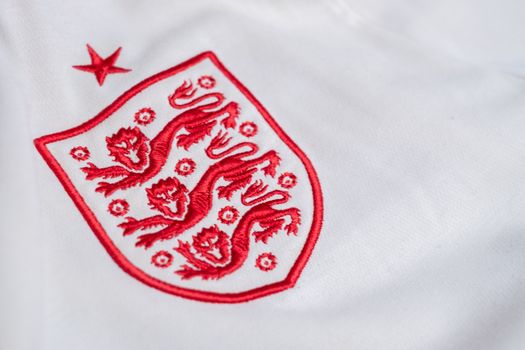
Digitizing is the process of converting your flat logo into a stitch-by-stitch instruction file for the embroidery machine. Bad digitizing leads to thread breaks, jagged edges, and logos that look like they were stitched by a toddler having a seizure. Good digitizing? It's art.
LogoWear.ie uses advanced digitizing software to optimize stitch density and pathing specifically for workwear Dublin clients. They know exactly how many stitches per inch work for a heavy cotton work shirt versus a lightweight polo. That experience matters.
"I've seen companies spend €500 on logo design and then ruin it with €20 digitizing. Don't be that person." – Production manager, LogoWear.ie
Always request a digitizing preview before full production. Check small text – anything under 6pt in the original design will likely blur. Fine details like thin lines or tiny gaps? They'll close up. Adjust your design accordingly, or trust the digitizer to simplify elements while keeping your brand identity intact.
3. Select the Correct Thread Type and Color
Thread choice might seem boring. It's not. Get this wrong, and your logos fade, break, or look dull within weeks. For embroidery on workwear, durability isn't optional – it's essential.
Thread Durability
Polyester thread is the undisputed champion for workwear. It's strong, colorfast, and resists chemicals, UV light, and abrasion. Perfect for construction sites, warehouses, and industrial environments where uniforms take a beating.
Rayon thread? It looks shinier and prettier. But it fades faster under sunlight and breaks down quicker with frequent washing. Avoid it for safety workwear North Dublin where visibility and durability matter.
| Thread Type | Strength | Colorfastness | Chemical Resistance | Best For |
|---|---|---|---|---|
| Polyester | High | Excellent | Good | Workwear, uniforms, outdoor gear |
| Rayon | Moderate | Poor (fades) | Low | Decorative, light-use apparel |
| Cotton | Moderate | Good | Low | Casual wear, heritage looks |
| Metallic | Low | Varies | Very low | Specialty accents only |
LogoWear.ie stocks over 200 thread colors and can match Pantone or brand colors precisely. Need that exact shade of safety orange for your high visibility workwear? They've got it. Don't settle for "close enough" – brand consistency matters.
4. Optimize Logo Size and Placement for Wearability
Here's a question nobody asks: "Where should this logo actually go?" They just slap it on the chest and hope. Placement and sizing make the difference between a professional uniform and an afterthought.
Where to Stitch
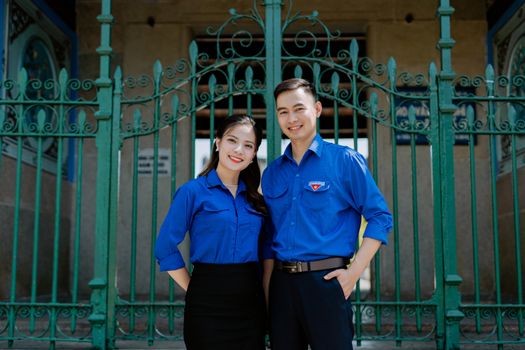
Standard chest placement (4–5 inches wide) works best for polo shirts, t-shirts, and jackets. Avoid stitching over seams, zippers, or pockets – the machine can't handle the thickness, and the result looks amateur.
- Chest (left or center) – 4–5 inches wide, ideal for most work shirts
- Back (between shoulders) – 6–8 inches wide, good for visibility
- Sleeves (upper arm) – 2–3 inches wide, keep simple
- Pants (leg or hip) – 3–4 inches, avoid knee area
Small logos under 2 inches lose detail fast. LogoWear.ie advises a minimum of 2.5 inches for any text to remain legible. For work pants for men, back pockets or side legs work well for company branding without looking tacky.
And think about wearability. A logo that sits right where a tool belt rubs? It'll wear out fast. A logo on the back of a jacket that's constantly against a chair? Same problem. Place logos where they're seen but not abused.
5. Use Proper Stabilizers to Prevent Puckering
Puckering is the enemy of professional embroidery on workwear. That wavy, wrinkled fabric around your logo screams "cheap." The fix? Stabilizers. And using the right one for your fabric.
Stabilizer Types
Tear-away stabilizer is ideal for woven work shirts – think your standard cotton drill or poly-cotton blend. It tears away cleanly after stitching, leaving a crisp finish.
Cut-away stabilizer is required for stretchy knits like polo shirts or fleece jackets. It stays in the garment permanently, preventing the fabric from distorting over time. Without it, your logo will stretch and warp after a few washes.
LogoWear.ie uses a combination of backing and topping stabilizers to keep stitches flat and crisp. They don't cut corners here – and neither should you.
"I've seen companies skip stabilizers to save 50 cents per garment. Then they spend €500 replacing ruined uniforms. False economy."
Always test stabilizer on a scrap piece of the same fabric before full production. Different weaves, weights, and stretch levels react differently. A quick test saves a full batch of ruined safety boots Ireland uniforms or high-vis jackets.
6. Care Instructions to Extend Embroidery Life
You've invested in quality embroidery on workwear. Now keep it looking good. Most people ruin their uniforms in the first three washes. Don't be one of them.
Wash and Wear Tips
Turn workwear inside out before washing. This simple step reduces friction on embroidery threads by 80%. Cold water and mild detergent are your friends. Hot water weakens threads. Bleach destroys them. Fabric softeners coat the fibers and break down thread integrity over time.
- Turn inside out – Protects threads from friction
- Cold water, mild detergent – Preserves color and strength
- Avoid bleach and softeners – They weaken and fade embroidery
- Air dry or low heat – High heat shrinks fabric around stitches
- Don't iron directly on embroidery – Use a pressing cloth
LogoWear.ie provides care tags with every order. They want your uniforms to last. Follow those instructions, and your embroidery will still look sharp after 50+ washes. Ignore them, and you'll be ordering replacements in six months.
For workwear Dublin businesses running fleets of uniforms, this is a cost-saving measure. Proper care extends garment life by months. That adds up fast when you're outfitting 20, 50, or 100 employees.
Conclusion: Your Embroidery on Workwear Checklist
Let's keep this simple. Here's what matters most for durable, high-quality embroidery on workwear:
- Fabric choice – Stick with cotton-poly blends; test synthetics first
- Professional digitizing – Don't cheap out; request previews
- Polyester thread – Strong, colorfast, chemical-resistant
- Smart sizing and placement – 4–5 inches chest; avoid seams and zippers
- Proper stabilizers – Tear-away for wovens, cut-away for knits
- Care instructions – Inside out, cold wash, no bleach
LogoWear.ie handles all of this for workwear Dublin businesses. They've been doing it for years, and they know what works. Whether you need safety workwear North Dublin uniforms, high visibility workwear, work pants for men, or safety boots Ireland with custom embroidery, they've got the expertise.
Don't settle for logos that fade, pucker, or unravel. Invest in quality embroidery on workwear that represents your brand properly. Your employees – and your customers – will notice the difference.
Najczesciej zadawane pytania
Why is embroidery a good choice for workwear logos?
Embroidery is durable and long-lasting, making it ideal for workwear that undergoes frequent washing and wear. It provides a professional, high-quality look that resists fading and peeling compared to printed logos.
What type of fabric is best for embroidered workwear logos?
Natural fabrics like cotton or cotton-polyester blends work best for embroidery. They provide a stable base for stitching, preventing distortion or puckering, and ensure the logo remains crisp and durable.
How can I ensure my embroidered logo stays intact after many washes?
To maximize durability, use high-quality threads (like polyester or rayon), proper backing materials, and ensure the embroidery density is balanced. Also, follow care instructions—wash workwear inside out in cold water and avoid bleach.
What is the recommended size for an embroidered logo on workwear?
The ideal size depends on the garment area, but for chest logos, 3-4 inches wide is common. Smaller details may get lost, so keep designs simple with minimal text to maintain clarity and durability.
Can complex designs with fine details be embroidered on workwear?
Complex designs with fine details, small text, or gradients are challenging for embroidery. It's best to simplify the logo—use bold shapes and limit text to 1-2 lines—to ensure the stitching is clear and doesn't cause thread breakage or distortion.