High Visibility Jackets Ireland: What to Look for in 2026
Why Hi-Vis Jackets Matter More Than Ever in 2026
The rules of the road – and the worksite – have changed. As of early 2026, Ireland's Health and Safety Authority (HSA) has tightened enforcement around high visibility workwear, particularly for anyone working near traffic after dark. The result? A lot of old jackets are suddenly non-compliant.
If you're a site manager, a self-employed tradesperson, or running a crew in North Dublin, this matters directly to your bottom line. Fines for non-compliance have increased, and more importantly, the wrong jacket can mean the difference between being seen and being a statistic.
So what's driving the shift? Two big things: updated regulations and the reality of Irish weather. Let's break both down.
New Irish safety regulations and workplace requirements
The big change for 2026 is the full phase-out of older EN 471 standard jackets. While some of these were grandfathered in for a few years, the HSA now requires all hi-vis workwear to meet EN ISO 20471. This standard demands higher minimum reflectivity and better material coverage. For night-time road workers, the rules are even stricter – Class 3 is now the baseline for anyone on motorways or high-speed roads.
Employers should also note that the onus is on them to provide compliant gear. If a worker is injured while wearing substandard hi-vis, the company can face serious liability. From experience, most companies skip the audit step – don't be one of them.
The rise of multi-season hi-vis for outdoor workers
Irish weather is notoriously fickle. You can get four seasons in one day, and that's not an exaggeration. Workers in construction, road maintenance, and logistics have been demanding hi-vis jackets that work across multiple seasons rather than just winter.
This has pushed manufacturers toward lightweight, breathable shells with removable liners. The idea is simple: one jacket that handles rain, wind, and mild cold, rather than swapping between a heavy winter coat and a summer vest. It saves money and reduces the risk of workers skipping the hi-vis layer because it's too hot or too bulky.
Key Standards to Check Before Buying
Before you spend a cent on a high visibility jacket Ireland, you need to understand the labels. This isn't just bureaucracy – it's the difference between a jacket that works and one that's basically a fashion item.
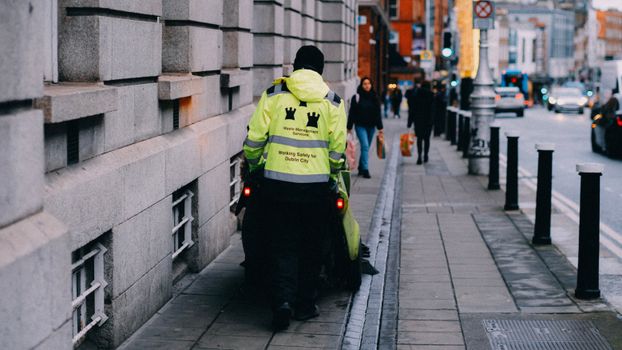
EN ISO 20471 vs. EN 471: What's the difference in 2026?
Think of EN 471 as the old guard. It was the standard for years, but it's been officially superseded. EN ISO 20471 is the current mandatory standard in Ireland. The key differences? More stringent testing for reflectivity after washing, better colour fastness, and higher minimum amounts of fluorescent material.
If you find a jacket marked only with EN 471, don't buy it for workplace use. It's not compliant. Some retailers still sell old stock, so always check the label. The certification should be clearly printed inside the garment, along with the CE mark.
Class 1, 2, and 3 ratings explained for Irish buyers
Here's the quick breakdown:
| Class | Fluorescent Material (minimum) | Reflective Tape (minimum) | Typical Use |
|---|---|---|---|
| Class 1 | 0.14 m² | 0.10 m² | Low-risk areas, parking lots, daytime only |
| Class 2 | 0.50 m² | 0.13 m² | Roadside work, construction sites, delivery drivers |
| Class 3 | 0.80 m² | 0.20 m² | High-speed roads, night work, emergency services |
For most outdoor workers in Ireland, Class 2 is the minimum. If you're working near traffic at night, go straight to Class 3. The extra material on the sleeves and torso makes a real difference when headlights hit you.
Best Fabrics and Features for Irish Weather
Standards are one thing. But a jacket that meets Class 3 but leaves you soaked after an hour of Dublin drizzle is useless. Fabric choice is everything.
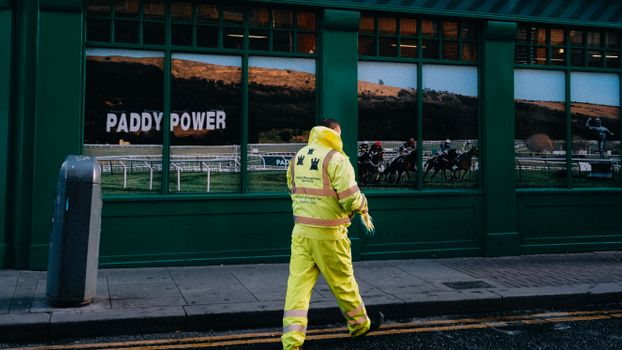
Waterproof vs. water-resistant hi-vis jackets
Let's be honest: water-resistant is not enough for Ireland. You need waterproof. Look for jackets with a hydrostatic head rating of at least 5,000mm and fully taped seams. That's the gold standard for keeping rain out during a full shift.
Top brands like Portwest and Helly Hansen use breathable membranes that allow sweat vapour to escape while blocking liquid water. This is critical. Without breathability, you'll end up wet from the inside out – just as uncomfortable as if you'd been rained on.
Breathability and layering for year-round use
Here's a practical tip from our team at Logowear.ie: look for jackets with pit zips or mesh-lined vents. These allow you to dump heat during active work without taking the jacket off. For colder months, a removable fleece liner adds warmth without needing a second jacket.
Key features to check:
- Adjustable hood – must fit over a hard hat if needed
- Storm flap – covers the front zip to block wind and rain
- Multiple pockets – at least two with waterproof zips for phone and tools
- Reflective tape placement – should wrap around the torso and sleeves for 360-degree visibility
Customising Hi-Vis Jackets with Your Logo
Safety is the priority. But if you're running a business, your team's jackets are also a mobile billboard. Custom branding on high visibility workwear is one of the most cost-effective marketing moves you can make – especially when your crew is visible on roadsides all day.
Embroidery vs. screen printing for hi-vis fabrics
Both methods work, but they have trade-offs. Embroidery looks more professional and lasts longer, but it requires special thread colours that contrast well with fluorescent backgrounds. White or black thread on yellow or orange fabric works best. Avoid dark threads on dark backgrounds – they disappear.
Screen printing is cheaper for large logos or multiple colours, but it can crack and fade over time, especially on high-friction areas like shoulders or backs. For hi-vis jackets that get heavy use, embroidery is the better long-term investment.
Where to get custom high visibility jackets in Dublin
This is where we come in. At Logowear.ie, we specialise in custom-branded safety workwear North Dublin businesses trust. We stock a full range of compliant hi-vis jackets from Portwest, Snickers, and Helly Hansen. You pick the jacket, we add your logo – either embroidered or printed – and deliver within days.
We handle everything from single jackets for self-employed tradespeople to bulk orders for large construction firms. And because we're based in Dublin, you can visit us to check fit and fabric before committing. No guesswork.
Top Hi-Vis Jacket Brands Available in Ireland
Not all hi-vis jackets are created equal. Here's a quick rundown of the brands we stock and recommend at Logowear.ie.
Portwest, Snickers, and other trusted names
Portwest is the workhorse of the Irish market. Their Hi-Vis Pro range offers Class 3 protection with waterproof membranes at a price point that suits most budgets. For bulk orders, they're hard to beat.
Snickers sits at the premium end. Their jackets use stretch fabrics and ergonomic patterning for better mobility – ideal for tradespeople who need to bend, kneel, and reach all day. The breathability is outstanding.
Helly Hansen brings marine-grade waterproofing. If you work near water or in constant rain, their hi-vis shells are worth the investment.
Budget-friendly options that still meet standards
Not every business needs top-tier jackets. For low-risk environments or indoor use, there are compliant options at lower price points. Look for Class 2 jackets from brands like Regatta or Result – they meet EN ISO 20471 without the premium price tag. Just check the certification label carefully.
Where to Buy High Visibility Jackets in Ireland
You've got options. Online marketplaces, big-box retailers, and local specialists all sell hi-vis. But which is best for your needs?
Online vs. in-store: Pros and cons for Irish buyers
Online shopping gives you huge selection and easy price comparison. You can browse dozens of jackets in minutes. The downside? You can't try them on. Sizing varies between brands, and a jacket that looks right online might be too tight across the shoulders or too short in the torso.
In-store lets you check fit and feel the fabric. But smaller shops often have limited stock, especially in less common sizes like 3XL or short lengths.
Why logowear.ie is a top choice for custom hi-vis
Here's the honest pitch: we combine the best of both worlds. You can browse our full range online, then visit our North Dublin showroom to try jackets in person. For bulk orders, we offer volume discounts and free consultations to ensure every worker gets the right size and class.
And because we handle the embroidery and printing in-house, you get one point of contact from selection to delivery. No dealing with separate suppliers for jackets and branding. It saves time, reduces errors, and keeps your team in compliant, professional workwear.
Future Outlook: What's Next for Hi-Vis in Ireland?
Looking ahead, expect even tighter standards. The EU is already discussing updates to EN ISO 20471 that would require smart reflective materials – ones that maintain performance after 50 washes instead of the current 25. That's still a few years off, but it's coming.
For now, the smart move is to audit your current stock, replace any EN 471 jackets, and invest in quality multi-season gear. If you need help selecting or customising high visibility jackets Ireland, the team at Logowear.ie is ready. We've been supplying safety workwear North Dublin for years, and we know what works on the ground.
Don't wait for an inspection – or worse, an accident – to upgrade your kit.
Najczesciej zadawane pytania
What are the key features to look for in high visibility jackets in Ireland for 2026?
For 2026, look for jackets meeting EN ISO 20471 standard, with high-grade retroreflective tape, breathable and waterproof materials (like Gore-Tex or similar), and enhanced durability for Ireland's wet and windy conditions. Also consider features like adjustable hoods, sealed seams, and multiple pockets for practicality.
Why is EN ISO 20471 certification important for high visibility jackets in Ireland?
EN ISO 20471 is the European standard for high visibility clothing. It ensures the jacket provides sufficient visibility through fluorescent background material and retroreflective strips, which is crucial for safety in low-light conditions common in Ireland, such as dawn, dusk, or foggy weather.
Are there specific legal requirements for high visibility jackets in Irish workplaces?
Yes, under Irish safety regulations (based on EU directives), employers must provide high visibility clothing like jackets to workers exposed to traffic or moving vehicles. The jacket must comply with EN ISO 20471, and the risk assessment determines the class (e.g., Class 2 or 3) needed.
How do I choose between Class 2 and Class 3 high visibility jackets for use in Ireland?
Class 2 jackets are suitable for most road and construction work with moderate traffic speeds, while Class 3 jackets offer more reflective area and are recommended for high-risk environments like motorways or night work. In Ireland's often dark and rainy conditions, Class 3 is advisable for maximum safety.
What materials are best for high visibility jackets in Ireland's climate?
Opt for jackets made from breathable, waterproof fabrics like polyester with a PU coating or laminated membranes (e.g., Gore-Tex). These keep you dry during Irish rain while preventing overheating. Also, ensure the reflective tape is abrasion-resistant to withstand frequent use.