High Visibility Workwear vs Standard Workwear: Which is Safer?
Introduction: The Safety Stakes of Workwear Choice
Let's cut straight to it. In North Dublin, where construction cranes dot the skyline and logistics hubs hum around the clock, the choice between high visibility workwear and standard workwear isn't just about style. It's about whether your team goes home in one piece at the end of the day.
The core difference is straightforward. High visibility workwear uses fluorescent fabrics (think bright lime or orange) combined with reflective tape to make the wearer stand out against any background. Standard workwear offers basic coverage—polo shirts, trousers, coveralls—without any of those visibility-enhancing features. That's fine for an office. Potentially deadly near a forklift.
This article breaks down exactly when each type makes sense. We'll look at safety standards, real-world scenarios on Dublin job sites, and cost considerations. By the end, you'll know which option fits your workforce's risk level. And honestly, Logowear.ie has been supplying both to Dublin businesses for years—so we'll draw on that local expertise too.
What Makes High Visibility Workwear Different?
Hi-vis isn't just bright fabric thrown together. It's engineered to specific standards that guarantee a minimum level of visibility. In Europe, that's EN 20471. In the US, it's ANSI/ISEA 107. Both standards specify exactly how much fluorescent material and reflective tape must be visible on the garment.
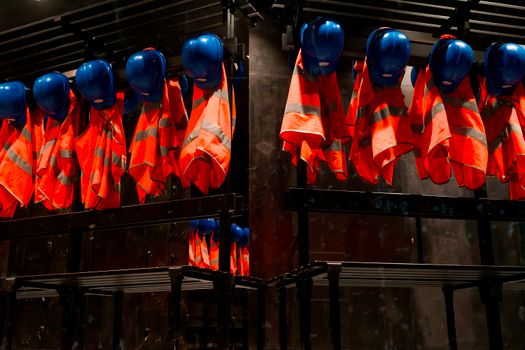
Here's the class system you need to know:
- Class 1 – Low risk. Minimal reflective material. Suitable for parking attendants or workers away from traffic.
- Class 2 – Medium risk. More reflective tape and fluorescent area. Think warehouse workers near forklifts or road construction crews.
- Class 3 – High risk. Maximum visibility. Required for highway workers, emergency responders, and anyone working in direct traffic.
The materials matter too. Fluorescent fabrics (lime yellow, orange-red, and pink) provide daytime contrast against most backgrounds. The reflective tape—usually silver or yellow—bounces light back to its source, making the wearer visible at night or in low light. It's a simple but brutally effective system.
And here's the thing: safety workwear North Dublin suppliers like Logowear.ie stock certified hi-vis that passes audits. If a safety inspector shows up on your Dublin construction site and sees uncertified gear, you're looking at fines and shutdowns. Don't risk it.
Key Standards and Certifications
Always check the label. Look for the EN 20471 marking along with the class number. Some garments also carry additional certifications for flame resistance (EN 11612) or chemical protection (EN 13034). For most construction and logistics work in Dublin, Class 2 or Class 3 hi-vis is the baseline.
Standard Workwear: When Visibility Isn't the Priority
Standard workwear has its place. Absolutely. In a retail shop, an office, or a light manufacturing floor where the biggest risk is a paper cut, you don't need reflective tape. What you need is comfort, durability, and a professional look that represents your brand.
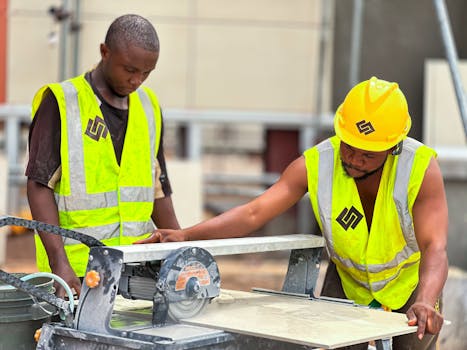
That's where custom logo embroidery comes in. Logowear.ie can embroider your company logo onto polo shirts, trousers, aprons, and jackets. It's a clean, professional look that builds brand recognition without the high-vis yellow screaming for attention.
But here's the catch: standard workwear is not designed for hazardous environments. If one of your team steps into a warehouse aisle where forklifts operate, wearing a standard polo shirt instead of hi-vis, they become nearly invisible to the driver. That's not an exaggeration. It's physics.
Common Use Cases in Dublin
So where does standard workwear make sense? Think about these roles:
- Retail staff in shops and supermarkets
- Office workers in corporate settings
- Light manufacturing where no vehicles operate indoors
- Hospitality and food service staff
- Security personnel in well-lit indoor areas
For these jobs, standard workwear Dublin suppliers offer comfortable, breathable fabrics and a range of colours. You can get work pants for men that are tough enough for daily wear but don't look out of place in a customer-facing role. And yes, Logowear.ie can add your logo to any of it.
Key Comparison Criteria: Safety, Compliance, Comfort, and Cost
Let's stack them up side by side. This is where the rubber meets the road for Dublin employers trying to balance budgets with safety obligations.
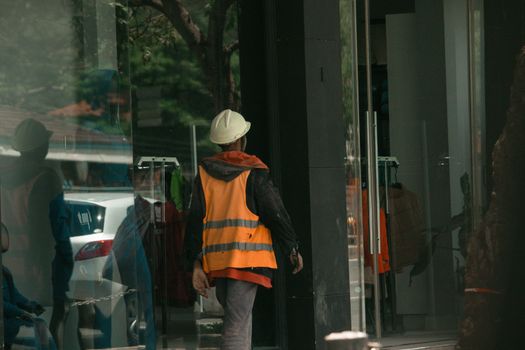
Safety and Compliance
This one isn't close. High visibility workwear meets legal requirements for high-risk jobs. If you're running a construction site in Dublin, you need hi-vis. Period. Standard workwear doesn't comply with safety regulations for those environments. A safety audit will fail you.
For low-risk indoor roles, standard workwear is perfectly compliant. But if there's any doubt about the risk level, err on the side of hi-vis. It's cheaper than an injury claim.
Durability and Comfort
Hi-vis gear tends to use heavier fabrics. That fluorescent material needs to hold up to washing and wear without fading. Reflective tape must stay attached through repeated laundering. So hi-vis jackets and trousers are often tougher—but also warmer and less breathable.
Standard workwear can be lighter and more comfortable in warm conditions. A cotton polo shirt with your logo breathes better than a hi-vis vest. But it won't stand up to rough use as well. For durability in tough environments, you might need safety boots Ireland suppliers can provide—but that's another article.
Both options can be customised at Logowear.ie with embroidery or screen printing. So branding isn't a deciding factor either way.
Cost and Value
Here's the numbers. Hi-vis typically costs 20-40% more upfront than comparable standard workwear. A basic hi-vis vest might run €10-15, while a Class 3 hi-vis jacket can hit €50-80. Standard polo shirts? Maybe €15-25 each.
But look at the bigger picture. One workplace accident involving a vehicle can cost tens of thousands in medical bills, lost productivity, and insurance hikes. The upfront saving on standard workwear disappears fast if someone gets hurt.
For budget-conscious businesses, Logowear.ie offers both options. You can get affordable hi-vis for the high-risk roles and standard workwear for the rest. That's the smart play.
Detailed Comparison: Hi-Vis vs Standard in Action
Let's put this in real terms. Three scenarios you'll see every day in North Dublin.
On a Dublin Construction Site
You're building apartments in Dublin 9. There are excavators moving, concrete trucks reversing, and workers on scaffolding. High visibility workwear Class 2 or Class 3 is mandatory. Standard workwear would fail a safety inspection within minutes.
Logowear.ie supplies certified hi-vis vests, jackets, and trousers that meet EN 20471 standards. They can add your company logo through custom logo embroidery, so your team looks professional while staying visible. There's no compromise here. Hi-vis wins hands down.
In a Warehouse or Logistics Hub
Your warehouse in Dublin 15 has forklifts moving pallets, order pickers on the floor, and delivery trucks backing into bays. Anyone working in those zones needs hi-vis—at least Class 1 or Class 2 depending on traffic density.
But what about the admin staff in the office area? They're fine in standard workwear. The key is to define the hazard zones clearly and equip workers accordingly. Logowear.ie can supply hi-vis for the floor staff and embroidered polos for the office team. That's the balanced approach.
For workers who need both visibility and mobility, look for hi-vis work pants for men with reflective strips on the legs. They're available through safety workwear North Dublin suppliers and offer all-round protection.
In a Retail or Office Environment
Your team works indoors, no vehicles, good lighting. Standard workwear with your logo is perfect. It's comfortable, professional, and affordable. Hi-vis would be overkill—and frankly, it looks odd in a shop or reception area.
But if your retail store has a delivery bay where staff unload trucks, those workers need hi-vis vests during that task. A simple solution: keep a few hi-vis vests near the delivery entrance. That way, standard workwear covers the main role, and hi-vis handles the specific hazard.
Verdict: Which Should You Choose for Your Dublin Workforce?
Here's the bottom line. For any job with vehicle traffic, low light, or heavy machinery, choose high visibility workwear. Class 2 or Class 3 from a certified supplier like Logowear.ie. It ensures compliance, protects your workers, and reduces your liability.
For indoor, low-risk roles where the biggest hazard is a paper cut, standard workwear offers comfort and branding at a lower cost. But never compromise on safety if there's any doubt. The cost of an accident far outweighs the savings on cheaper gear.
My recommendation: conduct a proper risk assessment for every role in your business. Map out where vehicles operate, what lighting conditions exist, and whether workers are near traffic. If the answer to any of those questions raises a red flag, go hi-vis.
And when you're ready to outfit your team, Logowear.ie has both options with custom embroidery for Dublin businesses. They know the local safety requirements and can advise on the right class for your specific situation. That's worth a lot more than guessing.
Remember: safety isn't an expense. It's an investment in your people. Choose wisely.
| Criterion | High Visibility Workwear | Standard Workwear |
|---|---|---|
| Safety Compliance | Meets EN 20471 standards; required for high-risk zones | Does not meet hi-vis standards; unsuitable for hazardous areas |
| Durability | Heavier fabrics, robust reflective tape; withstands harsh conditions | Lighter materials; less durable in rough environments |
| Comfort | Can be warmer and less breathable; designed for protection | More breathable and comfortable in mild conditions |
| Cost | 20-40% higher upfront; reduces accident risk and liability | Lower upfront cost; unsuitable for hazardous roles |
| Branding Options | Custom embroidery available at Logowear.ie | Custom embroidery available at Logowear.ie |
| Best For | Construction, warehousing, logistics, roadside work | Retail, offices, light manufacturing, hospitality |
Najczesciej zadawane pytania
What is the main difference between high visibility workwear and standard workwear?
High visibility workwear is designed with fluorescent materials and reflective strips to make the wearer stand out against any background, especially in low light or high-risk environments. Standard workwear lacks these features and is primarily for comfort or basic protection, not for enhancing visibility.
In what situations is high visibility workwear required over standard workwear?
High visibility workwear is required in environments with moving vehicles, heavy machinery, poor lighting, or where workers are near traffic, such as construction sites, road maintenance, airport runways, and emergency response scenes. Standard workwear is insufficient in these settings due to the risk of accidents.
Can standard workwear be modified to provide the same level of safety as high visibility workwear?
No, standard workwear cannot be effectively modified to match the safety standards of high visibility workwear. Adding reflective tape or bright colors to standard clothing may not meet legal or safety standards like ANSI/ISEA 107, which requires specific material brightness, reflectivity, and placement for optimal visibility.
Does high visibility workwear always guarantee better safety than standard workwear?
While high visibility workwear significantly reduces the risk of accidents by improving visibility, it does not guarantee complete safety. It must be used correctly, maintained properly, and combined with other safety measures like training, signage, and equipment. Standard workwear is only safer in low-risk environments where visibility is not a major concern.
What are the key standards for high visibility workwear that make it safer than standard workwear?
Key standards include compliance with ANSI/ISEA 107 in the US or EN ISO 20471 in Europe, which specify minimum areas of fluorescent fabric and reflective material, color requirements (e.g., lime or orange), and design durability. These standards ensure the wearer is visible from all angles and distances, unlike standard workwear which has no such requirements.