How to Source High Visibility Jackets for Your Dublin Workforce at Affordable Prices
Why High Visibility Jackets Are Essential for Dublin Workplaces
Let's be honest about something. If your team works outdoors in Dublin, they need high visibility jackets. It's not just about looking professional – it's about keeping people alive. Irish winters are brutal for visibility. Dark mornings, early evenings, and that constant drizzle that seems to settle in for months.
Safety compliance on Irish roads and construction sites isn't optional. Dublin employers must comply with EN ISO 20471 standards for high visibility clothing in construction, logistics, and roadside work. The Health and Safety Authority (HSA) doesn't mess around with this. And honestly, they shouldn't have to.
Here's a stat that stops most managers in their tracks: high vis jackets reduce accident risk by up to 60% in low-light conditions. That's massive when you think about how many hours your team spends near traffic or heavy machinery during those dim Dublin mornings.
But here's the thing most people overlook. Custom branding with company logos doesn't just boost your professional image – it maintains safety compliance. A properly branded jacket with reflective tape still meets all standards. You get marketing and safety in one package. Smart, right?
So how do you source these jackets without blowing your budget? Let me walk you through it step by step.
Step 1: Determine Your Workforce's Safety Class Needs
Before you buy anything, you need to know what class of high visibility workwear your team actually requires. This is where most Dublin businesses get it wrong.
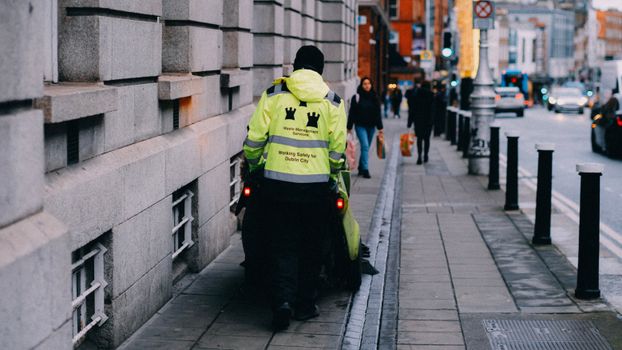
Class 1, 2, or 3 – what your team really requires
Class 3 jackets offer maximum visibility. These are required for motorway work and night shifts. If your team is on the M50, the port tunnel, or any major road after dark, this is non-negotiable. They have the most reflective tape and the brightest background material.
Class 2 is suitable for most construction and warehouse roles in Dublin. Think building sites, logistics yards, and delivery drivers working during daylight hours. This covers about 70% of outdoor workers in the city.
Class 1 is for low-risk environments like car parks or shopping centre security. Honestly, for most active sites in Dublin, Class 1 is insufficient. Don't cheap out here – it's not worth the risk.
Quick tip: if you're unsure, go Class 2 as your baseline. It's the sweet spot between cost and compliance for most safety workwear North Dublin employers need.
Step 2: Compare Suppliers for Price and Quality in Dublin
Now you know what class you need. Time to find a supplier. And this is where things get interesting.
Local versus online high visibility jacket suppliers
You've got options. Big online retailers, high street shops, and local specialists like Logowear.ie. Each has pros and cons.
Logowear.ie offers competitive pricing on bulk orders with free custom embroidery for Dublin businesses. That's a big deal when you're outfitting a team of 20, 50, or 100 workers. Their prices often beat Dublin high street shops by 15–20% when you factor in branding costs.
But here's what most people don't check: minimum order quantities. Some online-only suppliers require 50+ units. That's a problem if you only need 15 jackets for a small crew. Local suppliers like Logowear.ie may offer lower minimums – always ask before you commit.
And please, for the love of everything, request fabric samples. Test durability and wash resistance before committing to bulk purchases. I've seen too many Dublin managers order jackets that fell apart after three washes. Don't be that person.
Step 3: Add Custom Branding Without Breaking the Budget
Custom branding makes your team look professional. It also stops jackets from walking off site (yes, that happens). But how you brand matters for both cost and durability.
Embroidery, screen printing, or heat transfer?
Logowear.ie provides embroidery on high vis jackets at no extra cost for orders over 25 pieces. That's ideal for Dublin corporate uniforms. Embroidery lasts. It survives industrial washing. It looks sharp.
Screen printing is cheaper for large logos but less durable on reflective materials. The ink can crack, especially on the flexible fabric of high vis jackets. Fine for short-term use, not great for regular industrial wear.
Heat transfer vinyl works well for small runs – say, 5 to 10 jackets. But it may peel after industrial washing. If your team's jackets go through commercial laundry weekly, avoid heat transfer. Embroidery is your friend here.
One more thing: if you're also ordering work pants for men or safety boots Ireland for your team, ask about bundle discounts. Many suppliers, including Logowear.ie, offer better rates when you order full uniforms together.
Step 4: Ensure Compliance with Irish Safety Regulations
This step is non-negotiable. I can't stress this enough.
CE marking and EN standards you must verify
All high visibility jackets Ireland suppliers sell must carry CE marking and EN ISO 20471 certification. This isn't a suggestion. It's the law.
Here's what you need to do: request certification documents from suppliers. Legitimate suppliers like Logowear.ie provide them with every order. If a supplier hesitates or says "we'll email them later," walk away.
The biggest trap? Unbranded imports from non-EU sources. They often look identical to certified jackets but fail Irish safety audits. I've seen HSA inspectors flag entire workforces because jackets didn't meet standards. That's a costly mistake – both in fines and in reputation.
Check the reflective tape too. Genuine EN ISO 20471 jackets have tape that's at least 50mm wide. Some cheap imports use narrower tape that doesn't meet the standard. Measure it if you have to.
Step 5: Plan Your Order Timeline and Budget
You've got your class, your supplier, your branding, and your compliance sorted. Now it's about execution.
Lead times for custom high vis jackets in Dublin
Standard custom embroidery adds 5-7 business days. That's typical for most Dublin suppliers. Logowear.ie offers rush orders for urgent needs – useful when you've got a new hire starting Monday or an inspection coming up.
Order early before winter peak season (October–December). Every Dublin employer suddenly needs high vis jackets when the clocks go back. Suppliers get slammed. Lead times double. Don't be the person calling in a panic in November.
When comparing costs, compare total cost per jacket including delivery and branding. A jacket that's €5 cheaper might cost €10 more to brand elsewhere. Logowear.ie often beats Dublin high street prices by 15–20% when you factor everything in.
And here's a pro tip: if you're also buying workwear Dublin staples like trousers, boots, or hi-vis vests, consolidate your order. Single orders with higher quantities get better per-unit pricing. It's basic economics.
Summary: Your Action Plan for Sourcing High Vis Jackets in Dublin
Let me wrap this up with a quick recap of what you need to do:
- Determine your safety class – Class 2 for most sites, Class 3 for motorway or night work. Don't guess.
- Compare suppliers – Check Logowear.ie for bulk pricing with free embroidery. Request samples. Check minimums.
- Choose your branding method – Embroidery for durability, screen printing for large logos on a budget, heat transfer for small runs.
- Verify compliance documents – CE marking and EN ISO 20471 certification. No docs, no deal.
- Plan your timeline – Order 5-7 business days before you need jackets. Avoid the winter rush.
Look, sourcing high visibility jackets Ireland for your workforce doesn't have to be complicated. Get the class right, pick a reliable local supplier like Logowear.ie, add proper branding, and verify those certifications. Your team stays safe, your business stays compliant, and your budget stays intact.
That's a win all around.
Najczesciej zadawane pytania
Why are high visibility jackets important for workers in Dublin?
High visibility jackets are crucial for worker safety in Dublin, especially in construction, road maintenance, and logistics. They ensure workers are easily seen in low-light conditions, rainy weather, and busy urban environments, reducing accident risks and complying with Irish health and safety regulations.
What standards should high visibility jackets meet for use in Ireland?
In Ireland, high visibility jackets should comply with the EN ISO 20471 standard, which specifies requirements for high-visibility clothing. Look for jackets with Class 2 or Class 3 ratings, depending on the risk level, and ensure they have appropriate reflective tape and fluorescent background colors like yellow, orange, or red.
How can I find affordable high visibility jackets for my Dublin workforce?
To source affordable high visibility jackets in Dublin, consider buying in bulk from local suppliers or online wholesalers. Compare prices from Irish safety equipment retailers, look for seasonal discounts, and check for government grants or subsidies for workplace safety gear. Also, opt for durable materials to reduce long-term replacement costs.
What features should I look for in high visibility jackets for Dublin's climate?
For Dublin's often wet and windy weather, choose high visibility jackets that are waterproof, breathable, and wind-resistant. Look for features like sealed seams, adjustable hoods, and ventilation zippers. Lightweight yet durable fabrics are ideal for comfort during long shifts, and ensure the jackets have multiple pockets for tools or personal items.
Are there specific regulations for high visibility jackets in Irish workplaces?
Yes, Irish workplaces must follow the Safety, Health and Welfare at Work (General Application) Regulations 2007, which require employers to provide appropriate personal protective equipment (PPE), including high visibility clothing. The jackets must meet EN ISO 20471 standards, and employers should conduct risk assessments to determine the correct class and type for each job role.