New Regulations for Construction Workwear in Ireland: What Dublin Companies Need to Know
Overview: What the New Construction Workwear Regulations Mean for Dublin
Ireland’s Health and Safety Authority (HSA) has dropped a significant update to the Safety, Health and Welfare at Work (Construction) Regulations, effective from March 2026. For Dublin companies, this means immediate action is required to avoid penalties and, more importantly, to protect workers on what remains one of the country’s most dangerous industries.
The new rules tighten requirements for high-visibility clothing, personal protective equipment (PPE), and workwear maintenance across all active construction sites. Dublin, as the largest construction hub in Ireland, is ground zero for enforcement. HSA inspections in the capital surged by 30% in 2025, a clear signal that regulators are done waiting.
So what exactly changed? Let’s break it down.
Key changes at a glance
- High-vis clothing must now meet EN ISO 20471 Class 3 standards on all active sites. That means full torso and limb coverage, with reflective tape width increased to 50mm.
- Flame-resistant workwear is mandatory for tasks like welding, grinding, or working near live electrical equipment.
- Proper fit and regular maintenance are no longer optional. Employers must inspect all workwear every six months and keep records.
- Hard hats must be replaced every five years, and safety footwear must include steel toe caps plus mid-sole protection on every site.
For Dublin businesses already stretched by rising material costs and labour shortages, this feels like another burden. But here’s the thing: the cost of non-compliance is far higher. Penalties can hit €5,000 per violation, and that’s before you factor in potential injury claims.
Background: Why Ireland Updated Its Construction Workwear Standards
Ireland’s construction sector saw a 12% rise in reported injuries involving inadequate workwear between 2022 and 2025. That’s not a statistic you can ignore. The HSA’s review was triggered by this trend, combined with a push to align Irish standards with updated EU directives on PPE and workwear.
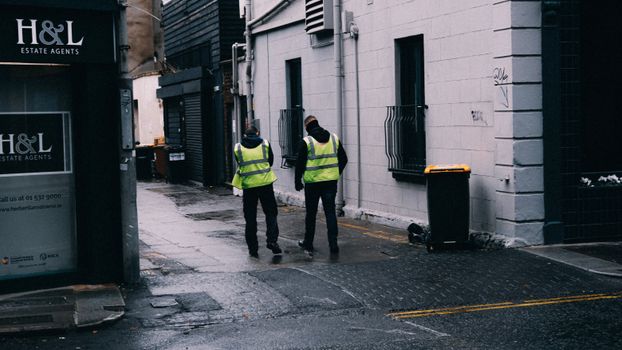
Dublin, with its skyline full of cranes and scaffolding, has been a natural focus. The city accounts for roughly 40% of Ireland’s construction output, which means the risks are concentrated here. Inspectors have been paying closer attention, and the new regulations give them more teeth.
But it’s not just about punishment. The EU alignment means Irish workers now enjoy the same protections as their counterparts in Germany, France, or the Netherlands. That’s a win for safety and for fairness across the single market.
Key Requirements for Construction Workwear Under the New Rules
Let’s get specific about what Dublin employers need to provide. These aren’t vague suggestions—they’re hard mandates.
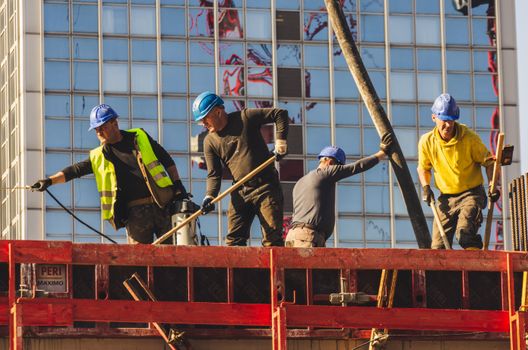
High-visibility clothing
Gone are the days when a simple hi-vis vest was enough. Class 3 high visibility workwear is now the baseline. That means jackets, trousers, and vests that cover both torso and limbs with reflective strips at least 50mm wide. The material must be fluorescent (usually yellow or orange) and the reflective tape must wrap around the body completely.
For Dublin companies that want to keep their brand visible while staying compliant, custom uniforms with logos are still allowed—but with a catch. Embroidery must be placed on non-reflective areas only. Logowear.ie offers a full range of compliant construction workwear, including custom high-vis jackets and trousers with embroidery placed exactly where it won’t compromise safety. That’s a practical solution for firms that want both compliance and brand recognition.
PPE and custom uniforms
Hard hats now have a five-year expiry date. Mark them, track them, replace them. Safety boots Ireland must include steel toe caps and mid-sole protection on all sites—no exceptions. For workers handling hot work, flame-resistant coveralls are mandatory.
What about work pants for men? The regulations don’t specify a single standard for all trousers, but they must be durable, fit properly, and not create tripping or snagging hazards. Many Dublin firms are upgrading to reinforced cargo trousers with knee pad pockets, which meet the durability requirements while improving comfort.
Custom uniforms with company logos are perfectly fine, as long as the safety features aren’t compromised. That’s where working with a supplier who understands both embroidery and safety standards matters. Logowear.ie specialises in this exact balance, offering custom embroidery on compliant garments without cutting corners.
Durability and maintenance
Here’s a detail many companies overlook: workwear must be inspected every six months. That means checking for frayed reflective tape, faded fluorescent material, worn soles, or cracked hard hats. Records of these inspections must be kept and made available to HSA inspectors on request.
This isn’t just paperwork for the sake of it. Workwear that looks fine at a glance might actually be degraded. UV exposure, washing, and daily wear all reduce effectiveness. Regular inspections catch problems before they cause injuries.
Impact on Dublin Companies: Compliance Costs and Practical Steps
Let’s talk money. Dublin firms may face initial costs of €200 to €500 per worker for fully compliant workwear kits. That covers high-vis jacket and trousers, safety boots, hard hat, and any task-specific items like flame-resistant coveralls. For a crew of 20, that’s €4,000 to €10,000 upfront.
But here’s the good news: bulk ordering from suppliers like Logowear.ie can reduce these costs significantly. They offer volume discounts and custom embroidery packages that bundle compliance with branding. Compared to buying piecemeal from different suppliers, this approach saves both money and administrative hassle.
Cost implications
| Item | Minimum Standard | Estimated Cost per Worker |
|---|---|---|
| High-vis jacket (Class 3) | EN ISO 20471 Class 3 | €40–€80 |
| High-vis trousers (Class 3) | EN ISO 20471 Class 3 | €30–€60 |
| Safety boots | Steel toe + mid-sole | €50–€120 |
| Hard hat | EN 397 (5-year lifespan) | €15–€30 |
| Flame-resistant coveralls | EN ISO 11612 | €60–€150 |
| Custom embroidery (per item) | Non-reflective area only | €5–€15 |
Training and documentation
Employers are now required to train workers on proper use and care of workwear. That includes how to spot wear and tear, how to clean garments without damaging reflective properties, and when to request replacements. This training must be documented, and records kept for at least two years.
Honestly, most companies skip this step. Don’t be one of them. A simple 30-minute toolbox talk with a sign-in sheet satisfies the requirement. It’s cheap insurance against a fine or, worse, an injury that could have been prevented.
What's Next: Preparing for Enforcement and Future Updates
The HSA has given Dublin companies a grace period. Full enforcement begins from January 2027, which means you have about six months to audit your current inventory, order compliant replacements, and train your team. That might sound like plenty of time, but supply chains for safety workwear North Dublin have been stretched since the regulations were announced.
Don’t wait until December to place your orders. Lead times for custom embroidery can be two to four weeks, and popular sizes and styles sell out fast. Logowear.ie has been stocking up on compliant stock specifically for Dublin construction firms, but early ordering is still advised.
Enforcement timeline
- March 2026: Regulations take effect.
- March 2026 – January 2027: Grace period. HSA will issue warnings and guidance, not fines, for minor non-compliance.
- January 2027 onwards: Full enforcement. Fines of up to €5,000 per violation. Repeat offenders may face prosecution.
Future trends
Industry experts predict further updates on sustainable workwear materials and smart PPE by 2028. Think sensors that monitor heat stress, fabrics made from recycled materials, and garments that track worker location in hazardous zones. Dublin companies that invest now in a reliable supplier relationship will be better positioned to adopt these innovations when they arrive.
For now, the priority is clear: audit your construction workwear Ireland inventory, ensure every garment meets the new standards, and get your team trained. Logowear.ie offers free audits for Dublin businesses, helping you identify gaps before the inspectors do.
This isn’t just about compliance. It’s about sending a message that your workers’ safety matters. And in a competitive Dublin labour market, that reputation pays dividends.
Najczesciej zadawane pytania
What are the key changes in the new construction workwear regulations in Ireland?
The new regulations emphasize enhanced safety standards, including higher visibility requirements (e.g., Class 3 hi-vis clothing for high-risk areas), improved durability against harsh weather, and stricter compliance with European safety standards like EN ISO 20471. They also mandate that employers provide appropriate workwear for specific tasks, such as flame-resistant gear for welding or waterproof clothing for outdoor work.
How do these regulations affect Dublin construction companies specifically?
Dublin companies must ensure that all workers on construction sites are equipped with compliant workwear, which may require updating existing inventories. This includes checking that all hi-vis vests, jackets, and trousers meet the new minimum reflectivity and color standards. Non-compliance can lead to fines or site shutdowns, so companies should audit their workwear supplies and train staff on proper use and maintenance.
Are there any specific requirements for workwear in wet or cold conditions under the new rules?
Yes, the regulations now require that workwear for outdoor workers in Ireland includes waterproof and windproof layers, as well as thermal insulation for cold weather. For example, Dublin construction workers must have access to high-performance rain gear that meets EN 343 standards for water resistance and breathability, ensuring safety and comfort during Ireland's frequent rain.
What penalties do Dublin companies face for non-compliance with the new workwear regulations?
Non-compliance can result in fines of up to €5,000 per incident, along with potential legal action from the Health and Safety Authority (HSA). In severe cases, construction sites may be temporarily closed until all workers are properly equipped. Companies may also face increased insurance premiums or liability claims if an accident occurs due to inadequate workwear.
Where can Dublin companies source compliant construction workwear under the new regulations?
Companies can purchase compliant workwear from certified suppliers in Ireland, such as safety equipment retailers like Safety Supplies Ireland or online platforms like Workwear.ie. It's crucial to verify that products carry CE markings and meet the updated EN ISO standards. Many Dublin-based suppliers also offer bulk discounts and customization options for company logos.