Safetywear Dublin: How to Choose the Right Gear for Your Industry
If you run a business in Dublin—whether it’s a construction site in Finglas, a warehouse in Ballymun, or a healthcare facility in Santry—you already know the drill. Safety isn’t optional. It’s the law. But here’s the thing most people get wrong: buying safetywear Dublin isn’t just about grabbing the cheapest hi-vis vest off the shelf. It’s about matching the right gear to the specific risks your team faces every day.
This guide walks you through five practical steps to choose the correct safetywear for your industry. We’ll cover everything from hazard identification to budgeting, and we’ll show you why Logowear.ie is the go-to supplier for businesses across North Dublin. By the end, you’ll know exactly what to look for—and where to get it.
Step 1: Identify the Hazards in Your Workplace
You can’t protect against what you don’t see. That sounds obvious, but I’ve visited enough Dublin work sites to know that many managers skip this step. They buy a batch of safety workwear North Dublin suppliers stock, hand it out, and call it a day. That’s a mistake.
Conduct a Risk Assessment
Start by listing every physical, chemical, or biological risk your employees face. For construction crews, that means falling objects, sharp tools, and uneven ground. For warehouse staff, it’s heavy lifting, moving vehicles, and repetitive strain. Healthcare workers deal with bloodborne pathogens and slippery floors. Each hazard demands a different type of protection.
Match each risk to a safetywear category. Here’s a quick breakdown:
- Head protection – hard hats for falling debris (EN 397 standard)
- Eye protection – safety glasses or goggles for dust, chemicals, or flying particles (EN 166)
- Hand protection – cut-resistant gloves, chemical-resistant gloves (EN 388, EN 374)
- Foot protection – steel-toe boots or safety trainers (EN ISO 20345)
- High-visibility – vests, jackets, or trousers for low-light environments (EN 20471)
- Respiratory protection – masks or respirators for dust, fumes, or biological hazards (EN 149)
Don’t guess. Use the Health and Safety Authority (HSA) guidelines—they’re free and comprehensive. Talk to your safety officer or, if you don’t have one, bring in a consultant for a day. It costs a few hundred euro but could save you thousands in fines or, worse, an injury claim.
“A proper risk assessment isn’t paperwork—it’s a roadmap. Every piece of safetywear you buy should trace back to a specific hazard you’ve identified.”
Pro tip: Involve your team in this process. They know the daily realities better than anyone. Ask them what gear they actually need versus what’s sitting unused in the locker room.
Step 2: Understand Safety Standards and Certifications
Here’s where things get technical—but don’t tune out. This step separates legitimate safetywear Dublin suppliers from those pushing substandard junk. Every piece of certified safetywear in Europe carries a CE mark and references specific EN standards. If you don’t see those marks, walk away.
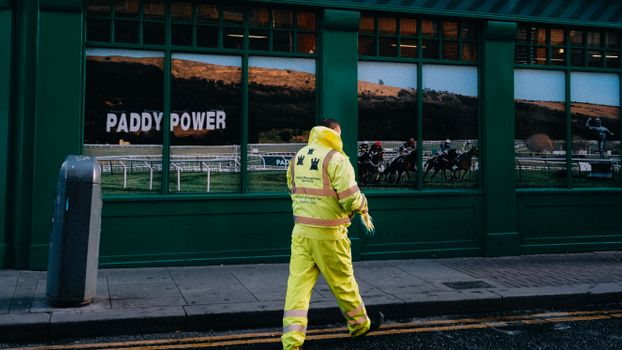
Key EN and ISO Standards for Safetywear
Memorise these three standards—they cover the most common items you’ll buy for your team:
- EN 20471 – for high visibility workwear. Classes 1, 2, and 3 (Class 3 offers the most coverage, required for motorway work)
- EN 388 – for protective gloves. Ratings for abrasion, cut, tear, and puncture resistance
- EN ISO 20345 – for safety boots Ireland standards. Look for S1, S2, or S3 ratings depending on water resistance and sole penetration
But it doesn’t stop there. If you’re buying welding gear, you need EN ISO 11611. For chemical protection, it’s EN 13034. And for work pants for men on construction sites, check for EN 14404 if they include knee pads.
Here’s the kicker: some cheap imports sold online don’t meet Irish requirements. The HSA can and does fine companies for non-compliant gear. So before you order, ask your supplier for certification documentation. Logowear.ie provides this upfront—they stock brands like Portwest and Helly Hansen that are fully certified and HSA-approved.
Warning: Don’t rely on the product description alone. If a listing says “CE certified” but doesn’t list the specific EN standard, that’s a red flag. Ask for a photo of the label or the declaration of conformity.
Step 3: Choose the Right Fit, Fabric, and Comfort
Safetywear that doesn’t fit won’t be worn. Period. I’ve seen dozens of Dublin site managers spend thousands on gear only to find it abandoned in lockers because it was too stiff, too hot, or too baggy. Comfort isn’t a luxury—it’s a compliance tool.
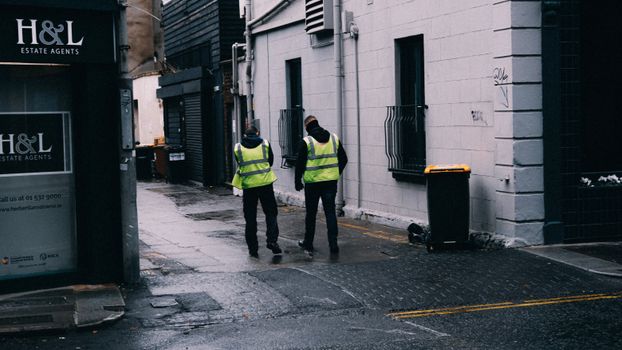
Balancing Protection with Mobility
Start with fabric. For indoor work in heated warehouses, breathable cotton or cotton-poly blends work well. For outdoor sites exposed to Dublin’s famously wet weather, go with waterproof and windproof fabrics—think Portwest’s Hi-Vis Rain Trousers or Helly Hansen’s shell jackets. For hot environments like kitchens or foundries, look for moisture-wicking liners that pull sweat away from the skin.
Now sizing. This is where most businesses stumble. Too loose and the gear snags on machinery. Too tight and it restricts movement, leading to fatigue or accidents. Logowear.ie offers detailed sizing guides for every product they stock. I recommend ordering sample sizes for your team before placing a bulk order. Let them try the gear on, move around, and give feedback.
Look for comfort features that make a real difference:
- Adjustable cuffs and hems for a custom fit
- Reinforced knees on work pants for men (saves money on replacements)
- Mesh lining for breathability in hi-vis jackets
- Padded collars on safety boots to prevent chafing
Quick story: A client in Coolock ordered 50 pairs of safety boots based on a generic size chart. Half didn’t fit. They had to pay return shipping, wait two weeks for replacements, and lost productivity. Had they used Logowear.ie’s free sample fitting service, that headache never happens.
Step 4: Compare Suppliers in Dublin – Why Logowear.ie Stands Out
You’ve got options in Dublin. There are hardware stores, uniform shops, and online-only retailers. But for most small to medium businesses, the choice comes down to a few key factors: product range, certification support, customisation, and delivery speed.
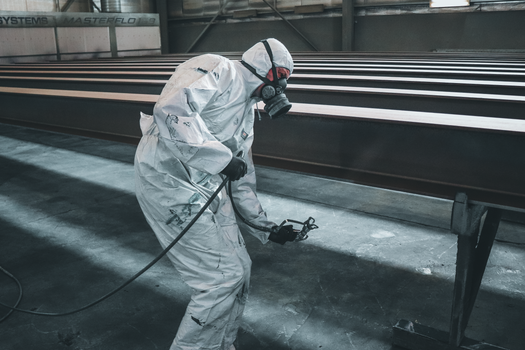
Local Expertise and Customisation Options
Logowear.ie isn’t just another supplier—they’re a partner. Based in North Dublin, they understand the local industry landscape. They stock top brands like Portwest, Helly Hansen, and Dickies, all fully certified and available for fast delivery across the city.
But here’s what really sets them apart: embroidery and printing services. You can add your company logo to any piece of safetywear—jackets, trousers, hi-vis vests, even safety boots Ireland (on the tongue or heel). That means your team looks professional while staying compliant. For businesses that want Dublin corporate uniforms with a safety edge, this is a game-changer.
Other Dublin suppliers exist, sure. But most don’t offer customisation. Some don’t even stock certified gear. And the online-only giants? Good luck getting someone on the phone when a delivery goes wrong. Logowear.ie combines quality gear, expert advice, and customisation in one place. For essential custom workwear for small businesses, they’re the obvious choice.
Comparison table: Dublin Safetywear Suppliers
| Supplier | Certified Brands | Customisation | Delivery Speed | Expert Advice |
|---|---|---|---|---|
| Logowear.ie | Portwest, Helly Hansen, Dickies | Embroidery & printing | 1-3 days Dublin | In-house team |
| Large hardware chain | Limited selection | None | Same day (in-store) | Minimal |
| Online-only retailer | Mixed (some uncertified) | None | 5-10 days | Chatbot only |
Step 5: Budget and Bulk Ordering for Your Team
Let’s talk money. Safetywear is an expense, sure. But it’s also an investment. Cheap gear fails faster, needs replacing sooner, and—worst case—leads to injuries that cost far more than the price difference.
Getting Value Without Compromising Safety
Start by requesting quotes from multiple suppliers. But don’t just compare unit prices. Ask about volume discounts. Logowear.ie offers tiered pricing—the more you order, the less you pay per item. For a team of 20 or more, this can make a significant difference.
Consider total cost of ownership. A pair of safety boots Ireland workers wear for two years at €80 is better value than a €40 pair that falls apart in six months. Same logic applies to work pants for men with reinforced knees—they last 3x longer than standard trousers.
Plan for replacements. Gloves, hi-vis vests, and safety glasses have short lifespans. Set up recurring orders with your supplier so you never run out. Logowear.ie can manage this for you—just tell them your team size and turnover rate, and they’ll schedule deliveries automatically.
Budget checklist:
- Request tiered pricing for bulk orders
- Compare cost-per-wear, not just unit price
- Factor in customisation costs (usually €5-15 per item for embroidery)
- Set aside 10-15% of your budget for replacements
- Ask about warranty—Logowear.ie stands behind the brands they sell
Summary: Making Your Final Decision on Safetywear in Dublin
Choosing the right safetywear doesn’t have to be complicated. Follow these five steps, and you’ll protect your team, stay compliant, and get real value for your money.
Next Steps for Your Business
Here’s your action plan:
- Revisit your risk assessment – match every hazard to a certified product category
- Check standards – confirm EN and ISO certifications before buying
- Test fit and comfort – use sample sizing to avoid costly mistakes
- Choose a trusted supplier – Logowear.ie offers certified gear, customisation, and local expertise
- Budget smart – prioritise durability and set up recurring orders for high-turnover items
Ready to outfit your team? Visit Logowear.ie or contact their Dublin team for a free consultation and sample fitting. They’ll help you select the right safetywear Dublin has to offer—tailored to your industry, your budget, and your brand.
Remember: proper safetywear isn’t a box to tick. It’s an investment in your team’s wellbeing and your company’s compliance. Don’t cut corners. Your people are worth it.
Najczesciej zadawane pytania
What factors should I consider when choosing safetywear for my industry in Dublin?
When choosing safetywear in Dublin, consider the specific hazards of your industry, such as construction risks (falling objects, sharp tools), chemical exposure in labs, or weather conditions (rain, cold). Look for gear that meets Irish and EU safety standards (e.g., CE marking), fits properly, and is durable for your work environment.
Are there different types of safetywear required for different industries in Dublin?
Yes, safetywear varies by industry. For example, construction workers need hard hats, steel-toe boots, and high-visibility vests, while healthcare workers require gloves and face shields. In Dublin's manufacturing sector, cut-resistant gloves and ear protection are common, and outdoor workers may need waterproof and insulated clothing.
How do I ensure safetywear complies with Dublin's safety regulations?
To ensure compliance, check that safetywear has CE marking indicating conformity with EU health, safety, and environmental standards. Additionally, look for Irish standards like IS 139 for high-visibility clothing. Purchase from reputable suppliers in Dublin who provide certification documentation and follow guidelines from the Health and Safety Authority (HSA).
Why is it important to choose the right size and fit for safetywear in Dublin?
Proper fit is crucial for safety and comfort. Ill-fitting gear, like loose gloves or oversized boots, can reduce protection and increase accident risks. In Dublin's varied work settings, well-fitted safetywear enhances mobility and prevents hazards like snagging or tripping, ensuring workers stay safe and productive.
Can I use the same safetywear for both indoor and outdoor work in Dublin?
It depends on the gear. Some items like steel-toe boots or safety glasses may work for both, but outdoor work in Dublin often requires weather-resistant clothing (e.g., waterproof jackets) and high-visibility gear for low light. For indoor environments like factories, focus on flame-resistant or anti-static wear. Assess your specific tasks to avoid compromising safety.