Construction Workwear Ireland: 12 Essential Pieces for Safety and Comfort
Introduction: Why the Right Construction Workwear Matters in Ireland
Let's be honest. Construction work in Ireland isn't a walk in the park. You're dealing with rain that seems to have a personal vendetta, muddy sites that swallow boots whole, and safety hazards that don't take days off. The wrong gear? That's a recipe for discomfort, lost productivity, and worse – serious injury. I've spent years watching crews on sites across North Dublin, and one thing is crystal clear: the guys who invest in proper construction workwear Ireland finishes the day safer, drier, and ready to come back tomorrow.
But here's the problem. Walk into any workwear shop, and you're bombarded with options. Cheap vests that fade after one wash. Boots that claim to be waterproof but leak by lunchtime. It's overwhelming. So I've done the legwork for you. This list of 12 essential pieces covers everything you need to stay safe, comfortable, and professional on Irish construction sites. And yes, I'll tell you exactly where to find the good stuff – starting with Logowear.ie, a trusted name for safety workwear North Dublin that knows the local conditions inside out.
1. High-Visibility Vests and Jackets
Why Hi-Vis Is Non-Negotiable
You step onto any construction site in Ireland without a hi-vis vest, and you'll be turned away before you can say "I forgot." That's not bureaucracy – it's common sense. High visibility workwear is your first line of defense against being overlooked by machinery operators, delivery drivers, or fellow workers. On Irish sites, where low light and drizzle are the norm, being seen literally saves lives.
So what should you look for? Class 2 vests are fine for most general construction work. But if you're working near moving traffic or in high-risk zones, go straight for Class 3 – it offers more reflective tape and better coverage. And please, don't buy the cheap polyester nightmare that makes you sweat like a sauna. Irish weather is unpredictable enough without adding heat stress. Look for breathable, moisture-wicking fabrics that let your skin breathe.
- Key features to check: EN ISO 20471 certification, 360-degree reflectivity, breathable mesh panels
- Pro tip: Logowear.ie can add your company logo to hi-vis vests and jackets. It's a small investment that makes your team look professional and easy to identify on site.
- Don't forget: Replace hi-vis when the reflective strips start peeling or fading. Worn gear offers zero protection.
2. Steel-Toe Safety Boots
Protecting Your Feet on Site
I've seen a steel-toe boot save a man's foot from a falling concrete block. The boot was destroyed. His toes? Fine. That's the difference between proper safety boots Ireland and the flimsy knock-offs you find at discount shops. Your feet take the brunt of every workday – standing on rebar, walking through wet concrete, dodging dropped tools. Skimping here is madness.
For Irish conditions, waterproofing isn't optional – it's essential. Look for boots with Gore-Tex or similar membranes that keep water out while letting sweat escape. Slip-resistant soles are another must. Wet mud and steel scaffolding don't mix well. And don't forget ankle support. Uneven ground on Irish sites is the rule, not the exception.
- Standards to check: EN ISO 20345, S3 rating (waterproof, anti-static, slip-resistant)
- Best materials: Full-grain leather for durability, rubber toe caps for extra protection
- Where to buy: Logowear.ie stocks a solid range of certified boots that meet Irish safety standards. No fakes, no nonsense.
3. Hard Hats and Safety Helmets
Head Protection That Saves Lives
Hard hats aren't just a box-ticking exercise. One falling bolt from a crane, one slip on a wet scaffold, and that plastic shell is the only thing between you and a life-altering injury. Modern safety helmets have come a long way from the flimsy yellow hats of the 90s. Today's designs offer better fit, ventilation, and even chin straps that actually stay put.
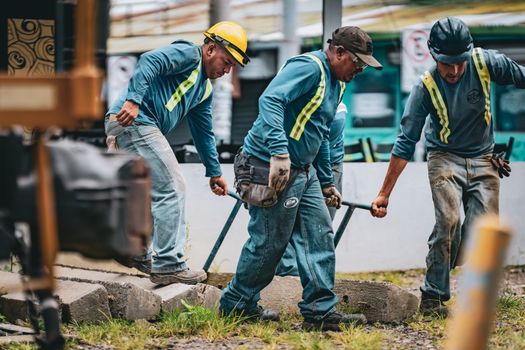
Here's the thing most people get wrong: hard hats have a limited lifespan. Replace yours after any significant impact – even if it looks fine, the structural integrity is compromised. And regardless of impact, replace them every 5 years. Check the manufacturing date stamped inside the shell. I've seen guys wearing hats from 2012. That's a disaster waiting to happen.
- Modern features: Ratchet adjustment for perfect fit, sweatbands, slot for ear muffs
- Custom options: Logowear.ie can supply hard hats with your company logo printed on the shell. Great for team identification on multi-contractor sites.
- Don't paint them: Painting a hard hat can weaken the plastic. Use stickers instead if you need to personalize.
4. Hi-Vis Trousers and Bibs
Full-Body Visibility
A hi-vis vest is great. But what about when you're bending over, carrying materials, or working at ground level? Your upper body might be visible, but your legs disappear. That's where hi-vis trousers and bibs come in. They give you 360-degree visibility, which is critical for road workers, night crews, and anyone working near moving vehicles.
For Irish weather, waterproof bibs are a game-changer. They keep you dry from the waist down while maintaining full visibility. Look for trousers with multiple pockets – you'll thank yourself when you need quick access to your tape measure or phone. And make sure the reflective strips run all the way down the legs, not just the knees.
- Best uses: Roadworks, night shifts, utility work, any site with vehicle traffic
- Material matters: Waterproof breathable fabrics like PU-coated polyester work well in Irish rain
- Logowear.ie range: They carry a variety of hi-vis trousers and bibs in different sizes and seasonal weights.
5. Safety Gloves
Grip and Protection for Hands
Your hands are your most valuable tools. Yet I see guys on site wearing gloves that are either too flimsy to protect or too bulky to work in. The sweet spot is cut-resistant gloves with good dexterity. You need to handle rebar, sheet metal, and sharp tools without sacrificing the ability to tie knots or operate equipment.
For heavy machinery work, consider impact-resistant gloves with padded backs. These protect against crushing injuries when you're operating jackhammers or compactors. And for cold Irish mornings, insulated gloves are a lifesaver. Cold hands lose dexterity fast, which leads to mistakes.
- Levels of protection: EN 388 ratings – look for cut resistance (A-F) and puncture resistance
- Bulk buying tip: Logowear.ie offers competitive pricing on bulk orders for construction teams. Stock up and save.
- Replace regularly: Gloves wear out fast. Torn gloves offer zero protection. Keep spares in your van.
6. Eye and Face Protection
Safety Glasses and Face Shields
One speck of concrete dust in your eye and you're off the job for a week. A stray spark from a grinder? Permanent damage. Safety glasses are cheap insurance. But here's the catch – if they fog up every five minutes, you'll take them off. And that's when accidents happen.
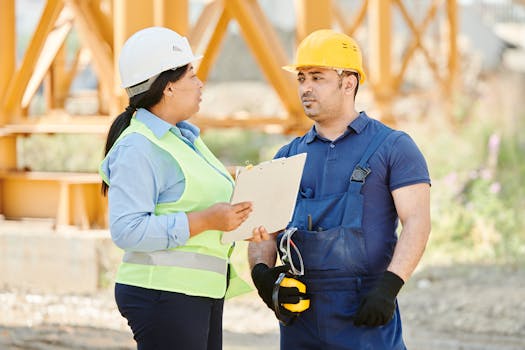
Invest in anti-fog and scratch-resistant lenses. They cost a bit more, but they stay clear through a full shift. For grinding, welding, or chemical work, add a face shield. It protects your entire face from flying debris and splashes. And if you wear prescription glasses, get safety glasses that fit over them. Squinting through two pairs of glasses is a recipe for headaches and mistakes.
- Certification: EN 166 for eye protection, EN 1731 for face shields
- Logowear.ie stocks: Certified safety glasses that fit over prescription frames. No need to compromise.
- Storage matters: Keep glasses in a case when not in use. Scratched lenses reduce visibility and protection.
7. Hearing Protection
Earplugs and Earmuffs for Noise
Here's a scary stat: permanent hearing damage can occur after just 15 minutes of exposure to noise above 100 dB. And a typical construction site with jackhammers, saws, and heavy machinery easily hits that level. Hearing protection isn't optional – it's survival. The ringing in your ears after a loud shift? That's damage.
You have two main options: earplugs (disposable or reusable) and earmuffs. Earplugs are great for continuous wear under a hard hat. Earmuffs are easier to take on and off for short exposures. For maximum protection, use both. Look for a Noise Reduction Rating (NRR) of at least 25 dB for general construction work, and up to 33 dB for extreme noise environments.
- Don't cheap out: Disposable foam earplugs are fine for occasional use. For daily wear, get reusable silicone plugs.
- Logowear.ie options: They stock both disposable and reusable hearing protection for every budget.
- Fit check: If you can hear conversations clearly while wearing protection, it's not fitted properly.
8. Waterproof and Weatherproof Outerwear
Staying Dry in Irish Rain
Let's talk about the elephant in the room – Irish rain. You can't avoid it, so you'd better be ready for it. Waterproof jackets and trousers with sealed seams are your best friends on a wet site. But here's the mistake most people make: they buy a cheap waterproof that traps all their body heat and sweat. By lunchtime, you're wet from the inside out.
Look for breathable waterproof fabrics like Gore-Tex or similar membranes. These let moisture escape while keeping rain out. And make sure your outerwear is hi-vis rated. There's no point being dry if nobody can see you in the gloom. Many waterproof jackets come with integrated reflective strips – kill two birds with one stone.
- Key features: Adjustable hoods that fit over hard hats, storm flaps over zippers, Velcro cuffs
- Logowear.ie selection: They carry durable, waterproof workwear designed for outdoor construction in Irish conditions.
- Layer smart: Base layer + fleece + waterproof shell. You can adjust as the weather changes and you warm up from work.
9. Knee Pads and Cushioning
Comfort for Kneeling Work
If you've ever spent a day laying flooring, tiling, or installing pipework on concrete, you know the pain. Kneeling on hard surfaces without protection leads to bursitis, joint damage, and chronic pain that follows you home. Knee pads aren't a luxury – they're a long-term health investment.
You have two choices: strap-on knee pads or integrated knee pad trousers. Strap-on pads are more versatile and can be used with any trousers. Integrated pads are more convenient but lock you into specific trousers. For foam vs. gel padding – gel offers better shock absorption but is heavier. Foam is lighter but compresses over time.
- Fit matters: Adjustable straps prevent knee pads from slipping down during work
- Logowear.ie offers: Knee pads that integrate with work trousers for a streamlined solution. No more straps digging into your legs.
- Don't ignore the pain: If your knees ache after work, you need better protection. Your 50-year-old self will thank you.
10. Flame-Resistant Clothing
Protection from Heat and Sparks
This one is non-negotiable for specific trades. Flame-resistant (FR) clothing is mandatory for welders, electricians working near live circuits, and anyone handling flammable materials. Standard cotton or polyester will melt onto your skin in a flash fire. FR clothing is designed to self-extinguish and prevent that horror.
Look for FR-rated shirts, pants, and coveralls that meet European standard EN ISO 11612. Don't confuse "flame retardant" with "flame resistant" – the first is a chemical treatment that washes out; the second is inherent to the fabric. And yes, you can get FR clothing with custom embroidery. Logowear.ie offers certified FR workwear that can be customized with your company logo.
- Common FR fabrics: Nomex, Indura, modacrylic blends
- Care instructions: Don't use fabric softeners or bleach – they reduce FR properties
- Logowear.ie advantage: They supply certified FR workwear with custom embroidery options, so your team stays safe and branded.
11. Fall Protection Harnesses
Safety at Height
Working above 2 meters in Ireland? You need a full-body harness. Falls from height are the leading cause of construction fatalities in Ireland. A harness isn't just a piece of equipment – it's a lifeline. But only if it's the right one, properly fitted, and inspected before every use.
Modern harnesses have come a long way. Look for quick-connect buckles that make donning and doffing fast and foolproof. Adjustable straps ensure a snug fit that doesn't ride up or chafe. And don't forget the lanyard – choose a shock-absorbing lanyard that limits fall forces to 6 kN or less. Inspect your harness before every use. If you see frayed webbing, cracked buckles, or broken stitching, retire it immediately.
- Standards: EN 361 for harnesses, EN 355 for shock-absorbing lanyards
- Storage: Keep harnesses away from chemicals, direct sunlight, and sharp edges
- Logowear.ie supplies: Harnesses and lanyards that comply with Irish safety regulations. Don't trust your life to cheap gear.
12. Custom Workwear with Logos
Branding Your Team
Here's something most construction companies overlook: custom workwear with logos isn't just about looking good. It's about professionalism, team identification, and even security. When every worker on site wears a company-branded hi-vis vest or jacket, subcontractors and visitors know exactly who's who. It builds trust with clients and makes your crew look like a serious operation.
Logowear.ie specializes in embroidery and screen printing on workwear. Want your company logo on hi-vis vests? Done. Jackets? Easy. Shirts and trousers? Absolutely. They use high-quality stitching that lasts through industrial washing. And ordering in bulk saves you money while ensuring consistent branding across your entire crew.
- What to brand: Hi-vis vests, jackets, polo shirts, hard hats, beanie hats
- Logowear.ie process: Upload your logo, choose your items, and they handle the rest. Fast turnaround for North Dublin businesses.
- Tax tip: Custom workwear is often tax-deductible as a business expense. Keep your receipts.
Conclusion: Your Essential Construction Workwear Checklist
Look, I get it. Buying construction workwear Ireland can feel like a chore. But every piece on this list serves a purpose – protecting you, your team, and your bottom line. The guys who show up with the right gear work safer, stay drier, and go home in one piece. That's not luck. That's preparation.
Here's my quick summary of the top picks:
| Category | Top Pick | Why It Matters |
|---|---|---|
| Hi-Vis Vest/Jacket | Class 3 breathable vest | Visibility + comfort in Irish weather |
| Safety Boots | S3 waterproof steel-toe | Protects feet from wet, sharp, and heavy hazards |
| Hard Hat | Modern helmet with chin strap | Fits better, stays on, protects longer |
| Hi-Vis Trousers | Waterproof bib with full leg reflectivity | 360° visibility for road and night work |
Safety GlovesNajczesciej zadawane pytaniaWhat are the most essential pieces of construction workwear in Ireland?The 12 essential pieces include a high-visibility vest or jacket, safety helmet, steel-toe boots, safety glasses, ear protection, work gloves, waterproof jacket, hi-vis trousers, knee pads, a tool belt, thermal base layers, and a durable work coat. Why is high-visibility workwear important for construction sites in Ireland?High-visibility workwear is crucial in Ireland due to often low light conditions and unpredictable weather. It ensures workers are easily seen by colleagues and machinery operators, reducing the risk of accidents on busy construction sites. What type of footwear is recommended for construction work in Ireland?Steel-toe boots with slip-resistant soles are recommended. They protect feet from falling objects and sharp debris while providing grip on wet or uneven surfaces common in Irish construction environments. How should construction workers in Ireland prepare for wet weather?Workers should invest in a high-quality waterproof jacket and trousers, preferably breathable to prevent overheating. Layering with thermal base wear also helps maintain comfort in Ireland's damp, cold conditions. Are there specific safety standards for construction workwear in Ireland?Yes, workwear must comply with EU safety standards, such as EN 471 for high-visibility clothing and EN 345 for safety footwear. Employers in Ireland are required to provide PPE that meets these regulations to ensure worker safety. |