Custom Polos for Business: 5 Key Features to Look for When Ordering
Custom Polos for Business: 5 Key Features to Look for When Ordering
You've decided it's time to get your team kitted out. Smart move. Custom polos for business aren't just about looking the part — they're walking billboards for your brand. But here's the thing: ordering the wrong polos can cost you time, money, and credibility.
I've seen Dublin companies drop hundreds on embroidered shirts that shrunk after one wash. Or worse, polos that looked nothing like the sample. So before you place that order, let's walk through the five features that separate a sharp uniform from a costly mistake.
Whether you need custom polos for business in a warehouse or a sales office, these criteria apply. And if you're based in North Dublin, suppliers like logowear.ie have you covered with local expertise and fast turnaround.
1. Fabric Quality and Performance: The Foundation of Your Custom Polo
Let's start with what touches your employees' skin all day. Fabric isn't just about feel — it determines durability, breathability, and whether those polos last through a dozen washes or fall apart after three.
Choose the Right Material for Your Industry
Cotton polos are the go-to for comfort. They breathe well and feel soft against the skin. Perfect for office staff, reception teams, or client meetings where appearance matters more than sweat management.
But here's where many businesses slip up: they order 100% cotton for warehouse or field crews. That's a mistake. Polyester blends (typically 65% polyester, 35% cotton) wick moisture away and hold their shape better. For teams working in safety workwear North Dublin environments, these blends are non-negotiable.
You've got two main knit options to consider:
- Pique knit — that classic textured finish you see on golf shirts. It's durable, hides wrinkles, and looks professional. Ideal for most business settings.
- Jersey knit — smoother and softer, with a more modern drape. Great for casual office environments but less structured than pique.
Fabric weight matters more than most people think. For year-round use in Ireland's climate, aim for 180-220 gsm. Heavier fabrics (240+ gsm) work better for winter, while lighter ones (under 180 gsm) suit summer events. Dublin workwear specialists like logowear.ie stock multiple weight options, so you're not stuck with one-season polos.
One more thing: check the fabric's shrinkage rating. A quality supplier will tell you upfront. If they can't, that's a red flag.
2. Fit and Sizing: Ensuring a Professional Silhouette for Every Employee
Nothing kills a branded look faster than ill-fitting polos. Too baggy and your team looks sloppy. Too tight and they're uncomfortable — and let's be honest, nobody works well when they're tugging at their collar all day.
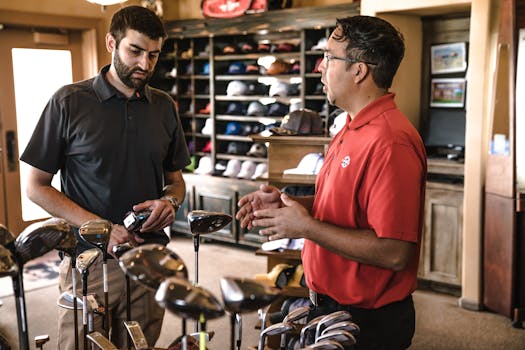
Modern vs. Classic Fits for Different Roles
Modern slim fits work wonders for client-facing staff. Sales reps, account managers, front desk teams — these roles benefit from a sharper silhouette that projects confidence. But don't make the mistake of ordering slim fits for everyone.
Warehouse teams, maintenance crews, and field workers need mobility. A classic or relaxed fit lets them bend, stretch, and lift without restriction. For anyone wearing work pants for men or safety boots Ireland as part of their daily gear, a restrictive polo is a hazard, not a uniform.
Here's a practical tip that saves headaches: always request a size guide and sample before bulk ordering. Many suppliers, including logowear.ie, offer free samples. Take advantage of that. Have a few team members try on different sizes. You'll spot fitting issues before they become a problem.
Unisex sizing can simplify ordering, especially for smaller teams. But honestly? Gender-specific options usually fit better. Women's polos account for different shoulder widths and waist proportions, while men's cuts allow for broader chests. If your team has both men and women, consider offering both fits.
And please — don't guess sizes. Send out a sizing survey or have employees try samples. The cost of exchanging 50 polos because you assumed everyone was "large" will eat into your budget fast.
3. Logo Placement and Embroidery Precision: Making Your Brand Stand Out
Your logo is the whole point of ordering custom polos. So where you put it — and how well it's executed — makes or breaks the investment.
Where to Put Your Logo for Maximum Impact
Left chest placement is the gold standard. It's professional, unobtrusive, and works for every industry. But depending on your goals, you might want more visibility.
- Left chest — traditional, clean, suitable for all business types
- Full front — larger logo, higher visibility, good for marketing events
- Sleeve logos — adds a second brand touch without overwhelming the shirt
- Back of neck or collar — subtle branding for a premium look
Here's where quality matters: embroidery precision. Cheap machines produce fuzzy logos with loose threads. High-quality embroidery uses proper thread count and stitch density to keep your logo crisp and clear.
Suppliers like logowear.ie use commercial-grade embroidery machines that handle fine details. If your logo has small text (under 8mm height) or intricate gradients, ask whether direct-to-garment printing might work better. Embroidery can distort tiny details, while printing preserves them.
One more consideration: thread color matching. Your logo might use a specific blue or green. Good embroidery suppliers carry hundreds of thread colors and can match Pantone codes. Don't settle for "close enough" — your brand identity deserves precision.
4. Color Consistency and Brand Matching: Keeping Your Identity Intact
Imagine ordering 100 custom polos for your team, only to find that the "navy" on the first batch doesn't match the second. It happens more often than you'd think. And it looks unprofessional.

Pantone Matching and Dye Lots
Here's the professional approach: provide Pantone codes for your brand colors. Pantone is the universal language of color in manufacturing. When you give a supplier "Pantone 294 C" instead of "dark blue," you eliminate guesswork.
If you're working with a Dublin-based supplier like logowear.ie, they can show you physical fabric swatches in your chosen colors. Never rely on screen colors alone — monitors vary wildly.
Another critical point: order all polos from the same dye lot. Fabric is dyed in batches, and even slight variations between batches can be noticeable. For large orders, confirm with your supplier that they can fulfill everything from one dye lot. If not, budget for potential color mismatches.
Color choice also affects practicality. Neutral colors like navy, black, and white offer versatility and hide minor stains. They're safe bets for most businesses. But bright colors — royal blue, lime green, orange — make your team stand out at trade shows, charity runs, or outdoor events.
For teams that need high visibility workwear, bright colors aren't optional. They're safety requirements. In those cases, make sure your custom polos meet the relevant safety standards (EN ISO 20471 for high-vis clothing in Europe).
5. Budget, Minimums, and Turnaround Time: Planning Your Custom Polo Order
Let's talk money. Custom polos for business range from budget-friendly to premium. But price isn't just about the shirt — it's about what you're getting for that cost.
Balancing Cost with Quality
Bulk orders save money. Most suppliers offer tiered pricing, so ordering 50+ polos typically drops the per-unit cost significantly. Logowear.ie offers competitive pricing for Dublin businesses with transparent quotes — no hidden fees for setup or artwork.
But watch out for minimum order quantities (MOQs). Some embroidery suppliers require at least 12 pieces to justify setup costs. Others offer no-minimum options, though the per-piece price will be higher. If you're a small team of 5-10 people, ask about low-MOQ options upfront.
Here's a rough pricing breakdown for custom polos in Dublin:
| Order Size | Per Polo (Basic) | Per Polo (Premium) | Typical MOQ |
|---|---|---|---|
| 1-11 pieces | €25-35 | €40-55 | Sometimes none |
| 12-49 pieces | €18-25 | €30-40 | 12 pieces |
| 50-99 pieces | €14-20 | €25-35 | Varies |
| 100+ pieces | €10-16 | €20-28 | Negotiable |
Timing matters too. Standard turnaround for embroidery orders is 10-14 business days. Rush orders might be available at an extra cost — ask your supplier. If you need polos for an event on a specific date, order at least three weeks in advance. Trust me, the stress of chasing a late order isn't worth it.
And here's something most articles won't tell you: order a few extras. New hires, lost shirts, or unexpected events happen. Ordering 5-10% more than your current team size saves you from placing a second, smaller order later.
Conclusion: Making the Right Choice for Your Business
So which features matter most? All five, honestly. But if I had to rank them:
- Fabric quality — because a cheap shirt looks cheap, no matter how good your logo is
- Fit and sizing — uncomfortable employees won't wear the polos, defeating the purpose
- Embroidery precision — your brand deserves to look its best
- Color consistency — mismatched colors scream "unprofessional"
- Budget and planning — get this right and everything else falls into place
For Dublin businesses, working with a local supplier like logowear.ie makes sense. You get face-to-face consultations, fabric samples you can touch, and fast turnaround without cross-border shipping delays. They understand the local market — from workwear Dublin needs to specific requirements like high visibility workwear for construction teams.
Ordering custom polos for business doesn't have to be complicated. Focus on these five features, ask the right questions, and you'll end up with uniforms your team actually wants to wear. And that's the whole point, isn't it?
Najczesciej zadawane pytania
What are the key features to look for when ordering custom polos for business?
When ordering custom polos for business, key features include fabric quality (e.g., cotton blends or moisture-wicking materials), fit (tailored or classic), durability (reinforced seams), color options that match your brand, and customization options like embroidery or screen printing.
Why is fabric quality important for custom business polos?
Fabric quality ensures comfort, breathability, and longevity. High-quality materials like pique cotton or performance blends resist pilling and fading, maintaining a professional appearance even after repeated washing.
How does the fit of a custom polo impact its effectiveness for business use?
The fit affects both appearance and employee satisfaction. A tailored fit looks more professional and modern, while a classic fit offers comfort for diverse body types. Choosing the right fit ensures employees feel confident and the brand looks cohesive.
What customization options are most effective for business polos?
Embroidery is popular for a premium, durable look, while screen printing works well for large logos or colorful designs. Both options should be colorfast and placed prominently, such as on the chest or sleeve, to maximize brand visibility.
How can durability features in custom polos benefit a business?
Durability features like reinforced stitching, wrinkle-resistant fabrics, and colorfast dyes reduce replacement costs and ensure polos look sharp over time. This is especially important for businesses with frequent wear or outdoor events.