Custom Logo Embroidery: Step-by-Step Guide to Getting Your Brand Stitched
What You'll Need Before Starting Your Custom Logo Embroidery Project
Let's be honest—there's nothing quite like seeing your company logo stitched neatly onto a crisp uniform. It transforms a simple polo shirt into a walking billboard for your brand. But getting that perfect embroidered logo isn't magic. It's a process. And if you skip the prep work, you'll end up with puckered fabric, misaligned designs, or thread that unravels after three washes.
So before you rush into ordering custom logo embroidery for your team, let's get the fundamentals right. Here's what you absolutely need lined up before touching a needle to fabric.
Essential Prerequisites for a Flawless Result
First things first: your logo file. And I don't mean a screenshot from your website or a blurry JPEG from your phone. Embroidery machines need vector files—EPS, AI, or PDF formats—to create accurate digitized patterns. If you're unsure what you've got, Logowear.ie can check your file and advise. Most businesses in North Dublin discover their logo needs a quick cleanup before it's machine-ready.
Next up: the garment itself. Not all fabrics play nicely with embroidery. You want sturdy materials like cotton, polyester blends, or fleece. Thin, flimsy t-shirts? They'll pucker. Stretchy knits? They'll distort. For safety workwear North Dublin companies rely on, think heavy-duty polo shirts, work jackets, and high-vis vests that can handle dense stitching without warping.
Here's a practical rule of thumb: keep your design under 12,000 stitches and within a 5-inch hoop. Why? Because every extra stitch adds cost and production time. And anything larger than 5 inches starts looking clunky on most garments. Trust me—smaller, cleaner designs always look more professional.
Step 1: Digitize Your Logo for Embroidery
Why Digitizing Matters and How to Do It
Here's where most people get confused. You can't just hand an embroidery machine a JPEG and expect it to stitch your logo. The machine speaks a different language—specifically, DST or PES stitch files. Digitizing is the process of converting your flat logo into a series of stitch commands: where the needle goes, how dense the fill should be, which direction the threads run.
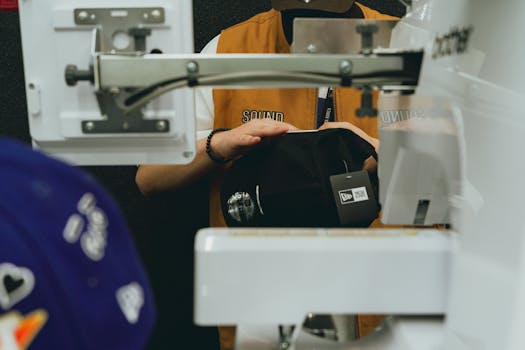
This isn't a DIY job. Professional digitizers use specialized software (think Wilcom or Pulse) to map out every single stitch. They decide which parts of your logo get a satin stitch, which get a fill stitch, and where underlay is needed to prevent fabric puckering. Get this wrong and your logo looks like a toddler's art project.
What should you avoid in digitized designs? Small text under 6mm height—it turns into a blob. Fine gradients or shadows—thread doesn't blend like ink. Extremely thin lines—they snap under tension. Keep it bold, keep it simple.
Logowear.ie offers professional digitizing services right here in North Dublin. They'll take your raw logo file and optimize it for stitching, handling all the technical tweaks so you don't have to. And because they know workwear Dublin businesses inside out, they understand what works on industrial-grade fabrics versus office attire.
Step 2: Select the Right Garment and Thread Colors
Matching Fabrics and Threads for Durability
Your digitized logo is ready. Now comes the fun part—choosing what to stitch it onto. For corporate uniforms, polo shirts, button-downs, jackets, and caps are the top picks. But if you're outfitting a construction crew or warehouse team, you'll want high visibility workwear that meets safety standards while still looking sharp.
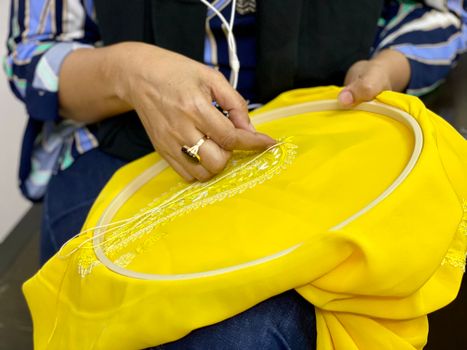
Thread choice matters more than most people think. Polyester thread is your best bet for custom logo embroidery that lasts. It's colorfast, resists fading from UV exposure, and handles industrial washing without breaking down. Rayon thread looks shinier initially, but it fades faster and frays sooner. Don't make that mistake.
Here's a pro tip: order a thread color chart from Logowear.ie before committing. What looks like "navy blue" on your screen might stitch out as "almost black" on fabric. Matching your brand colors exactly means seeing physical thread samples against your chosen garment. It's a tiny step that saves massive headaches later.
And while we're talking garments—if your team needs work pants for men that can handle heavy-duty stitching on back pockets or thigh areas, Logowear.ie stocks options designed for embroidery. Not all work trousers have enough fabric density to support a logo without puckering.
Step 3: Approve a Stitch-Out Sample Before Production
The Critical Quality Check Step
This is the step most people skip—and the one that separates professional results from embarrassing messes. Always request a physical stitch-out sample before giving the green light for bulk production.
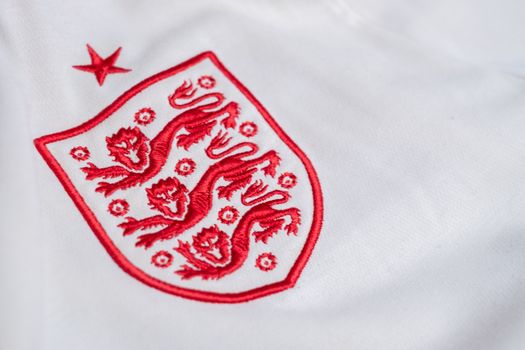
Why? Because a digital mockup on a screen tells you almost nothing about how the embroidery will actually look. Thread tension, fabric weave, stitch density—these only reveal themselves on real fabric. You need to see the logo stitched onto the actual garment material you've chosen.
What should you check on the sample?
- Puckering—is the fabric pulling or wrinkling around the stitches?
- Thread breaks—are there gaps or skipped stitches in the design?
- Alignment—is the logo centered and straight on the garment?
- Color accuracy—do the thread colors match your brand guidelines?
- Readability—can you clearly read any text in the design?
Logowear.ie provides free stitch-out samples for all custom logo embroidery orders over €100. That's a no-brainer. Take advantage of it. Fixing problems at the sample stage costs nothing. Fixing them after 50 uniforms are stitched? That's expensive and embarrassing.
Step 4: Place Your Order and Set Production Timelines
From Approval to Delivery in North Dublin
You've approved the sample. Now you're ready to order. When you place your order with Logowear.ie, you'll need to provide:
- The approved digitized file (DST or PES format)
- Garment specifications—exact styles, sizes, and quantities per item
- Placement instructions—left chest, back, sleeve, or hat front
- Thread color references—from the approved sample
Standard turnaround for custom logo embroidery at Logowear.ie is 5–7 business days for orders up to 100 pieces. That's fast enough for most corporate needs. But what if you need uniforms for a last-minute trade show or an unexpected client visit? Rush services are available for an additional fee. Just contact Logowear.ie directly to discuss urgent branding requirements.
One thing to keep in mind: if you're ordering safety boots Ireland teams wear daily, those might come from different suppliers than the embroidered garments. Logowear.ie can coordinate multi-item orders, but it's worth asking about lead times for non-clothing items like boots or hard hats.
Final Tips for Long-Lasting Custom Logo Embroidery
Care and Maintenance for Your Branded Workwear
Your uniforms are done. They look fantastic. Now you need to keep them that way. Embroidery is durable, but it's not indestructible. Here's how to make your custom logo embroidery last through hundreds of washes and work shifts.
Wash embroidered garments inside out in cold water. This protects the threads from direct friction against other clothes and the washing machine drum. Hot water can shrink fabrics and distort the embroidery tension.
Avoid bleach and fabric softeners. Bleach eats away at thread colors. Fabric softeners coat the threads with a waxy residue that attracts dirt and causes premature fraying. If you're maintaining high visibility workwear, harsh chemicals can also degrade the reflective strips—double trouble.
Air dry when possible. High heat from dryers can shrink garments and loosen embroidery tension. If you must use a dryer, use the lowest heat setting and remove items while they're still slightly damp.
For ongoing uniform needs—and let's face it, teams grow, uniforms wear out, and new hires join regularly—consider a recurring order plan with Logowear.ie. They'll keep your digitized file on file, remember your garment preferences, and ship fresh uniforms as needed. No repeated setup fees, no forgotten specifications, no hassle.
One final thought: custom logo embroidery isn't just about looking professional. It's about building brand recognition every single day. Every time your team puts on that embroidered uniform, they're advertising your business. Make sure the ad looks good.
| Step | Key Action | Common Mistake to Avoid |
|---|---|---|
| 1. Digitize | Convert logo to DST/PES stitch file | Using low-res JPEGs or skipping professional digitizing |
| 2. Select Garment | Choose sturdy fabric + match thread colors | Picking thin fabrics or guessing thread colors from screen |
| 3. Approve Sample | Request and review a physical stitch-out | Skipping the sample to save time or money |
| 4. Place Order | Provide approved files and spec details | Not confirming rush timelines if needed |
| 5. Maintain | Wash inside out, cold water, air dry | Using bleach, fabric softener, or high heat drying |
Getting custom logo embroidery right isn't complicated—but it does require following the steps in order. Skip one, and you'll pay for it in quality. Follow them all, and your team will look sharp, your brand will stand out, and those uniforms will keep working for you shift after shift.
Need help getting started? Logowear.ie handles everything from digitizing to delivery for workwear Dublin businesses. Drop them your logo and they'll walk you through the rest.
Najczesciej zadawane pytania
What is the first step in getting custom logo embroidery for my brand?
The first step is to create or finalize your logo design in a digital format that can be digitized for embroidery, such as a vector file (e.g., AI or EPS). Then, work with an embroidery service to convert it into a stitch file.
How long does the custom logo embroidery process typically take?
The timeline varies depending on the complexity of the logo, the quantity of items, and the service provider. Generally, it can take from a few days to two weeks from design digitization to finished product.
Can any fabric be used for custom logo embroidery?
Most fabrics can be embroidered, but some require special stabilizers or techniques. Sturdy fabrics like cotton, polyester, and denim work well, while delicate fabrics like silk may need extra care to avoid damage.
What are the key factors that affect the cost of custom logo embroidery?
Cost factors include the complexity and size of the logo (more stitches increase cost), the number of colors used, the quantity of items ordered, and the type of fabric or garment. Setup fees for digitization may also apply.
How do I ensure my logo looks good when embroidered?
To ensure good results, simplify your logo by avoiding tiny text or intricate details, use high-contrast colors, and choose a reputable embroidery service. Request a sample or mockup before full production to check quality.