Work Pants for Men: How to Choose the Right Pair for Construction and Trades
Let's be honest: nothing ruins a day on site faster than bad pants. You know the feeling – that stiff denim digging into your waist after two hours, the crotch seam giving way mid-squat, or the fabric tearing on a stray nail. For tradesmen in Dublin, work pants aren't just clothing. They're your second skin on the job.
But here's the problem most guys face: they grab whatever's on sale or pick the same brand they've worn for years without thinking about what's actually needed for their specific trade. And that's a costly mistake – both in comfort and safety.
This guide walks you through six practical steps to choose the right work pants for men in construction and trades. We'll cover fabric, fit, safety features, and where to find quality options locally – including custom embroidery services at Logowear.ie. By the end, you'll know exactly what to look for and what to avoid.
Why Choosing the Right Work Pants Matters for Tradesmen
Your work pants take a beating. Think about it: kneeling on rough concrete, brushing against scaffolding, carrying heavy tools in your pockets, and maybe even crawling through tight spaces. Cheap, ill-fitting pants don't just wear out fast – they actively make your job harder.
Here's what happens when you get it wrong:
- Reduced mobility – stiff fabric restricts your range of motion, making climbing ladders or kneeling more tiring
- Safety hazards – loose cuffs can snag on equipment, while thin fabric offers zero protection against sharp objects
- Constant discomfort – poor fit leads to chafing, sagging, and the need to constantly adjust your pants throughout the day
On the flip side, properly chosen pants with durable fabric like canvas or ripstop prevent tears from tools and debris. A good fit reduces fatigue and allows for layering in cold weather – something every Irish tradesman appreciates come November.
Common mistakes when buying work pants
I see the same errors again and again. Guys buy pants that are too tight because they look better in the shop. Or they skip the reinforced knee pockets because they don't think they'll need them. Biggest mistake? Ignoring the specific demands of their job site.
An electrician needs different features than a roofer. A site foreman has different priorities than a labourer. One-size-fits-all thinking is the enemy of good safety workwear North Dublin.
Step 1: Identify Your Work Environment and Hazards
Before you even look at fabric swatches or try on a pair, stop and think about where you actually work. The hazards you face daily should dictate every feature you prioritise.
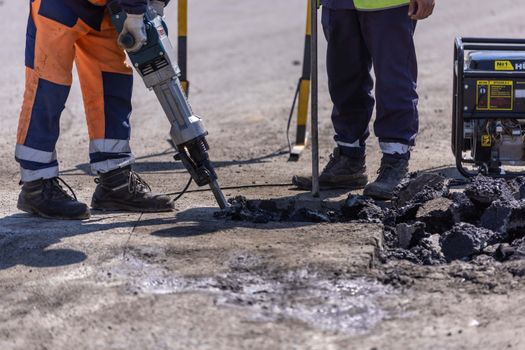
Construction sites are brutal on clothing. You need reinforced knees and abrasion-resistant fabric because you're constantly kneeling on rough surfaces. Concrete dust, sharp edges, and falling debris are part of the daily routine. Look for pants with double-layer knees and heavy-duty stitching.
Electricians face different challenges. You need multiple pockets for tools – screwdrivers, pliers, wire strippers – but you also need to avoid metal zippers near live wires. Many electricians prefer pants with non-conductive fasteners and tool-specific pocket layouts. And because you're often working in tight spaces like ceiling voids, mobility is critical.
For outdoor trades – landscaping, roofing, general labour – water-resistant or insulated options are worth the investment. Irish weather doesn't mess around. A good pair of water-resistant work pants can mean the difference between a productive day and a miserable, cold one.
Assessing job site risks
Take five minutes to walk your site and note the specific hazards. Is there heavy machinery? You might need high visibility workwear on your pants. Working near roads? Hi-vis with reflective tape is non-negotiable. Handling chemicals? Look for pants with fluid-resistant coatings.
Honestly, most companies skip this step. They buy generic pants and hope for the best. Don't be that guy.
Step 2: Choose the Right Fabric and Durability Level
This is where the rubber meets the road – or rather, where the fabric meets the concrete. The material your pants are made from determines how long they'll last and how comfortable you'll be wearing them.
Cotton duck canvas is the gold standard for heavy-duty work. It's thick, breathable, and offers excellent tear resistance. The downside? It's heavy when wet and takes forever to dry. Perfect for dry conditions, less ideal for rainy Irish days.
Polyester-cotton blends are the middle ground. They dry faster, resist wrinkles, and are lighter on the body. Great for light industrial use or indoor trades where you're moving constantly. But they don't have the same abrasion resistance as pure canvas.
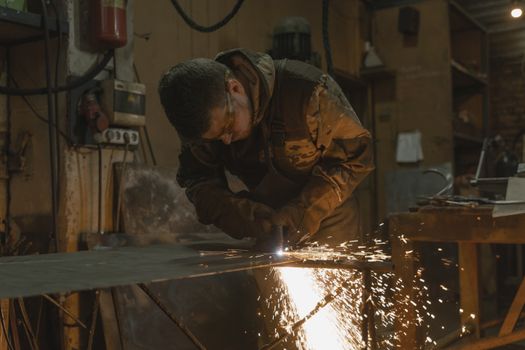
For guys working with heat or electrical hazards, flame-resistant fabrics like Nomex or treated cotton are essential. Don't skimp here. FR-rated pants are tested to specific standards, and wearing non-FR pants in a hazardous environment is asking for trouble.
Cotton vs. synthetic blends
Here's a quick comparison to help you decide:
| Fabric | Best for | Pros | Cons |
|---|---|---|---|
| Cotton duck canvas | Heavy construction, roofing | High tear resistance, breathable | Heavy when wet, slow drying |
| Poly-cotton blend | Light industrial, indoor trades | Quick drying, lightweight, wrinkle-resistant | Less abrasion-resistant |
| Nomex/FR cotton | Welding, electrical work | Flame-resistant, meets safety standards | Expensive, limited colour options |
| Ripstop nylon | Outdoor work, wet conditions | Lightweight, water-resistant, tear-proof | Less breathable, can feel plasticky |
From experience, most tradesmen in Dublin end up with a poly-cotton blend for general use and a dedicated canvas pair for heavy days. That rotation saves money in the long run.
Step 3: Focus on Fit, Mobility, and Comfort Features
You can have the toughest fabric in the world, but if the pants don't fit right, you'll hate wearing them. And you won't wear them. Simple as that.
Articulated knees and gusseted crotches are not marketing gimmicks – they're essential for anyone who kneels, squats, or climbs. Standard straight-leg pants bind at the knee when you bend. Articulated knees are pre-shaped to follow your leg's natural movement. Gusseted crotches add fabric at the inner thigh to prevent that dreaded seam split when you stretch.
Adjustable waistbands are another feature worth paying for. Your weight fluctuates. You might wear a tool belt some days and not others. An elastic or button-adjustable waistband keeps your pants secure without a belt digging into your hips.
And pay attention to reinforced stitching. Double or triple stitching at stress points – crotch, pockets, belt loops – extends the life of your pants dramatically. A cheap pair might last three months. A well-constructed pair with reinforced seams can last two years or more.
Key comfort elements to check
When you're trying on pants, don't just stand there. Move. Squat. Reach for something overhead. Pretend you're working. If anything binds or pulls, move on. Your body will thank you at the end of a 10-hour shift.
Also check the rise – that's the distance from crotch to waistband. Low-rise pants are fashionable but useless for work. You want a mid to high rise that keeps everything covered when you bend over.
Step 4: Evaluate Safety Features and Compliance
Safety isn't just about hard hats and safety boots Ireland regulations. Your pants are a critical part of your personal protective equipment (PPE).
Hi-vis pants with reflective tape meeting EN ISO 20471 are mandatory for roadside work or any low-light conditions. Don't buy cheap hi-vis that fades after three washes. Invest in quality that holds its colour and reflectivity.
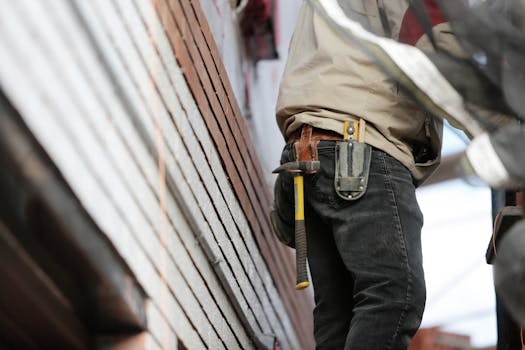
Cargo pockets should have secure closures – Velcro, zippers, or snap buttons. Loose tools falling out of open pockets is a hazard for you and anyone below you on scaffolding. And if you're carrying heavy items, make sure the pocket stitching is reinforced.
Knee pad pockets are a game-changer for anyone who kneels. You can insert foam pads that protect your knees from hard surfaces and sharp debris. Some pants come with built-in pads; others have external pouches. Both work, but built-in pads tend to stay in place better.
High-visibility and protective options
If your job requires high visibility workwear, look for pants with 360-degree reflective strips. That means visibility from every angle – crucial when you're working near moving vehicles or machinery.
Some pants also offer flame-resistant coatings or water-repellent finishes. These are usually treated at the factory and can be maintained with proper washing. Just be aware that fabric softeners and bleach can degrade these treatments.
Step 5: Compare Brands and Where to Buy in Dublin
Now that you know what features to look for, where do you actually buy quality work pants for men in Dublin? You've got options, but not all are equal.
Popular brands like Carhartt, Dickies, Blaklader, and Snickers have proven track records. Carhartt's duck canvas pants are legendary for durability. Snickers is known for innovative features like built-in knee pads and tool pocket systems. Dickies offers solid value for the price. These are the brands you'll find at most workwear shops.
But here's where local matters. Logowear.ie provides custom embroidery on work pants for company branding – perfect for Dublin trades teams who want a professional, uniform look. Imagine your crew all wearing matching pants with your company logo embroidered on the leg. That's not just good for branding; it builds team identity and looks sharp on site.
Buying from local suppliers like Logowear.ie also means quick fitting and support for bulk orders. You can try on different sizes, feel the fabric, and get advice from people who know the Dublin workwear scene. Plus, they offer the option to add custom logo embroidery to any pair – something online retailers can't do with the same turnaround time.
Top brands and local suppliers
Here's a quick rundown of what to expect from each:
- Carhartt – Heavy-duty canvas, relaxed fit, excellent for rough conditions
- Dickies – Affordable, durable, good for light to medium work
- Blaklader – Premium features, great pocket layouts, built for tradesmen
- Snickers – Innovative knee pad systems, high mobility, worth the investment
- Logowear.ie – Local supplier with custom embroidery, bulk discounts, and expert fitting advice
For workwear Dublin needs, Logowear.ie should be your first stop. They stock a range of brands and can handle everything from a single pair to full team orders.
Step 6: Try Before You Buy – Fit Checklist
You wouldn't buy a drill without testing it first. Same logic applies to work pants. Here's a simple checklist to run through when you're in the shop:
Squat test – Drop into a full squat. Do your pants bind at the hips or knees? If yes, move on. You need full range of motion for kneeling and climbing.
Pocket test – Reach into every pocket while wearing a tool belt. Can you access them easily? Are they deep enough to hold your tools securely? If you can't reach your tape measure without twisting, those pockets are useless.
Rise test – The pants should sit comfortably at your waist without sagging when you add tools to the pockets. If they droop, you'll be pulling them up all day. If they're too high, you'll feel restricted.
What to test in-store
Don't be shy about moving around in the fitting room. Do a few lunges. Reach up as if you're grabbing something overhead. Simulate crawling. The more you test, the fewer surprises you'll have on the job.
And bring your tool belt with you. Seriously. Pants that feel great empty can become a nightmare when you load up your pockets with a hammer, screwdrivers, and a tape measure.
Final Tips for Getting the Most from Your Work Pants
You've chosen the right pair. Now make them last. Proper care and maintenance can double the lifespan of your work pants for men.
Wash according to fabric care labels – especially for flame-resistant or water-repellent coatings. Hot water and harsh detergents strip these treatments. Use mild detergent and avoid fabric softeners. Air drying is gentler than machine drying, but if you must use a dryer, use low heat.
Rotate between two pairs to extend life and reduce daily wear. Fabric needs time to recover between wears. Having a second pair also means you're never caught without clean pants if one pair gets soaked or damaged.
For teams and businesses, Logowear.ie's embroidery service is the smart choice. Adding your company logo to work pants professionalises your crew's appearance and reinforces your brand on every job site. It's a small investment that pays off in client perception and team pride.
So here's the takeaway: don't rush your work pants purchase. Assess your environment, choose the right fabric, prioritise fit and safety features, and buy from a local supplier who knows the Dublin market. Your back, your knees, and your productivity will thank you.
Najczesciej zadawane pytania
What are the most important features to look for in work pants for construction?
Key features include durability (reinforced knees, double-stitched seams), flexibility (stretch fabric or gusseted crotch), and practical pockets (cargo or tool pockets). For construction, also consider water resistance or flame-retardant materials if needed.
How should work pants fit for trades like carpentry or electrical work?
Work pants should fit comfortably without being too loose or tight. A relaxed or straight fit allows freedom of movement for kneeling, bending, and climbing. Avoid baggy pants that can snag on tools, and ensure the waist sits securely to prevent slipping when carrying heavy equipment.
What materials are best for work pants in hot weather vs cold weather?
For hot weather, lightweight, breathable fabrics like cotton twill or blends with moisture-wicking properties are ideal. For cold weather, opt for insulated or lined pants, or materials like canvas or duck cloth that provide warmth and wind resistance. Some brands offer all-season options with ventilation panels.
Are there specific work pants designed for kneeling or crawling?
Yes, many work pants for trades include reinforced knee pads or pouches for inserting knee pads. Look for pants with double-layer knee fabric or built-in pad slots, which are common in brands like Carhartt or Dickies. This feature reduces wear and protects knees during prolonged kneeling.
How do I choose between cargo pants and traditional work trousers?
Cargo pants are better if you need easy access to multiple tools or small items, with extra pockets on the thighs. Traditional work trousers offer a cleaner look and may have more durable pockets for heavy tools. Consider your daily tasks: electricians often prefer cargo pants for screwdrivers and bits, while carpenters might opt for trousers with hammer loops.